




Occupational therapy for children is often misunderstood, especially by parents who are hearing about it for the first time. Many families associate therapy with disability, failure, or long-term dependency. As a result, they delay or completely avoid intervention, hoping their child will “catch up” naturally.
This hesitation is rarely due to a lack of love or care. More often, it comes from misinformation, social stigma, or fear of labelling a child too early. Unfortunately, these myths can prevent children from receiving timely support during the most critical years of development.
Pediatric occupational therapy is not about fixing children. It is about supporting them to develop essential life skills that allow them to participate fully in daily activities. These include dressing, eating, playing, learning, managing emotions, and interacting with others. This article breaks down the most common occupational therapy myths and explains the reality behind them so parents can make informed, confident decisions.
What Does Occupational Therapy for Children Really Mean?
Before addressing myths, it is important to understand what occupational therapy for children actually involves.
Occupational therapy focuses on helping children perform everyday tasks independently and confidently. These tasks are called “occupations” and include:
- Self-care activities such as dressing, feeding, and grooming
- School-related skills like handwriting, attention, and organisation
- Play skills that support learning and social interaction
- Sensory processing and emotional regulation
- Fine motor and coordination skills
Occupational therapy for child development looks at the whole child, not just one skill or behaviour. Therapy plans are personalised based on the child’s strengths, challenges, environment, and daily routines.
Common Myths About Occupational Therapy for Children
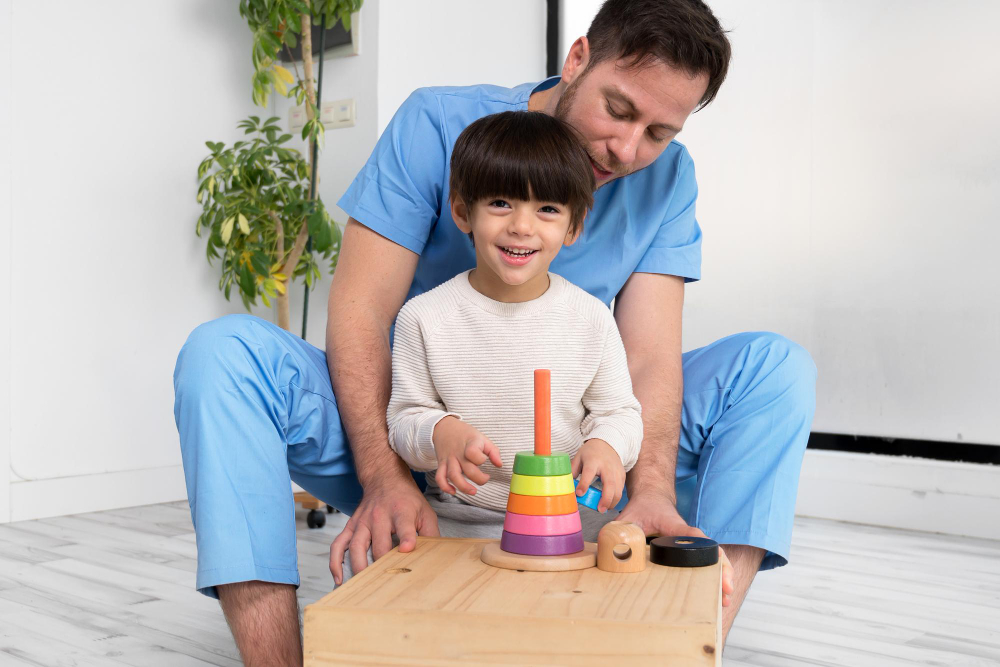
Despite growing awareness around child development, many parents still have limited or incorrect information about occupational therapy for children. Much of this confusion comes from outdated beliefs, social stigma, or comparing therapy with medical treatment meant only for severe conditions. These myths often create unnecessary fear or hesitation, leading parents to delay early intervention that could significantly benefit their child. Understanding these common misconceptions is the first step toward making informed decisions and supporting a child’s development in a positive and timely manner.
Myth 1: Occupational Therapy Is Only for Children with Disabilities
This is the most common and harmful myth surrounding pediatric occupational therapy. Many parents believe therapy is only for children with diagnosed disabilities or visible impairments.
In reality, many children who benefit from occupational therapy do not have a diagnosis at all.
Children may need occupational therapy if they:
- Struggle with buttoning clothes or tying shoelaces
- Avoid certain textures, sounds, or movements
- Have difficulty sitting still or following instructions
- Become easily overwhelmed or frustrated
- Lag behind peers in fine motor or self-care skills
Occupational therapy supports functional skills, not labels. Early support can prevent minor difficulties from becoming long-term challenges.
Myth 2: Occupational Therapy and Physiotherapy Are the Same

Another widespread misunderstanding is that occupational therapy and physiotherapy are interchangeable. While both are essential parts of pediatric rehabilitation, their goals are different.
Occupational Therapy Focuses On
- Fine motor skills, such as grasping and hand coordination
- Sensory integration and body awareness
- Activities of daily living (ADL training)
- Emotional regulation and attention
- School readiness and classroom participation
Physiotherapy Focuses On
- Gross motor skills
- Muscle strength and balance
- Posture and movement patterns
- Mobility and coordination
Many children benefit from both therapies working together, but each addresses different developmental needs.
Myth 3: My Child Will Grow Out of Developmental Challenges
Parents are often told, “Give it time” or “Every child develops differently.” While this is true to some extent, persistent challenges should not be ignored.
When occupational therapy is delayed, children may experience:
- Reduced confidence and motivation
- Academic struggles due to poor foundational skills
- Behavioural challenges linked to frustration
- Increased dependence on adults
Early occupational therapy for children helps build skills when the brain is most adaptable. Addressing challenges early often reduces the need for more intensive intervention later.
Myth 4: Occupational Therapy Is Only About Handwriting

Handwriting is one of the most visible outcomes of occupational therapy, but it is only a small part of the process.
Occupational therapy addresses the underlying skills needed for handwriting, such as:
- Core stability and posture
- Shoulder and arm strength
- Hand strength and coordination
- Visual motor integration
- Attention and planning
In addition, therapy supports many other daily skills, including:
- Feeding and dressing
- Sensory regulation
- Emotional control
- Play and social participation
Myth 5: Occupational Therapy Is a Quick or Short-Term Fix
Some parents expect therapy to show results within a few sessions. While small improvements may appear early, meaningful development takes time.
Progress in occupational therapy depends on:
- The child’s individual needs
- Consistency of therapy sessions
- Parent involvement
- Practice within daily routines
Paediatric occupational therapy focuses on building long-term independence, not temporary improvement.
Myth 6: Therapy Happens Only in the Clinic
Another misconception is that occupational therapy works only during clinic sessions. In reality, parents and caregivers are central to success.
Therapists guide parents on:
- Adapting home routines
- Using sensory strategies in daily life
- Encouraging independence instead of over-helping
- Managing emotional and behavioural challenges
When therapy strategies are reinforced at home, children progress faster and retain skills longer.
Social and Emotional Impact of Believing These Myths
Children who struggle without support may:
- Feel different or incapable
- Avoid tasks they find difficult
- Develop low self-esteem
- Experience anxiety or behavioural challenges
Clearing occupational therapy myths allows parents to respond with understanding rather than pressure, creating a more supportive environment for growth.
How Occupational Therapy Builds Confidence and Independence

Occupational therapy for child development is not just about skills. It is about confidence.
As children gain independence in daily tasks, they:
- Feel capable and motivated
- Participate more actively in school
- Engage better with peers
- Experience less frustration
Confidence built through small successes leads to long-term emotional resilience.
FAQs
Q1. At what age can occupational therapy for children begin?
Occupational therapy can start in infancy if concerns are identified early.
Q2. Does my child need a diagnosis for occupational therapy?
No. Therapy focuses on functional skills, not labels.
Q3. How long does occupational therapy usually take?
Duration varies depending on the child’s needs and consistency of support.
Q4. Is occupational therapy safe for young children?
Yes. Therapy is play-based, child-friendly, and developmentally appropriate.
Q5. Will my child become dependent on therapy?
No. Occupational therapy aims to increase independence, not dependence.
Conclusion
Occupational therapy for children is about empowering them with the skills they need to succeed in everyday life. Clearing myths allows parents to seek support early and confidently, giving children the best chance to thrive.
If you are concerned about your child’s development, early guidance can make a meaningful difference. A trusted Pediatric Rehabilitation Center can help assess your child’s needs and create a personalised therapy plan. Book a consultation today!