

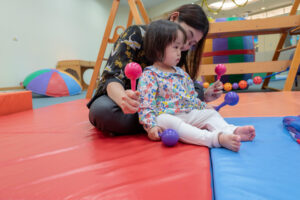





Many children struggle with everyday tasks that seem simple to adults. Getting dressed, sitting at a table, concentrating in class, or playing calmly with peers can feel overwhelming. Often, these challenges are not due to behaviour or lack of effort but are linked to how a child processes sensory information.
Sensory Integration Therapy helps children make sense of the world around them by supporting how their brain receives and responds to sensory input. When sensory processing improves, children are better able to manage daily routines with comfort, confidence, and independence.
This article explains how sensory integration therapy supports daily skills in children and why it plays such an important role in overall development.
Understanding Sensory Processing in Everyday Life
Sensory processing is the brain’s ability to receive information from the senses, organize it, and respond appropriately. These senses include touch, sound, sight, movement, balance, and body awareness.
When sensory processing works well, children can adapt to daily situations without distress. When it does not, children may feel overwhelmed, under-stimulated, or confused. This can affect how they move, behave, learn, and interact with others.
Sensory challenges often show up most clearly during everyday activities rather than structured tasks.
What Sensory Integration Therapy Focuses On
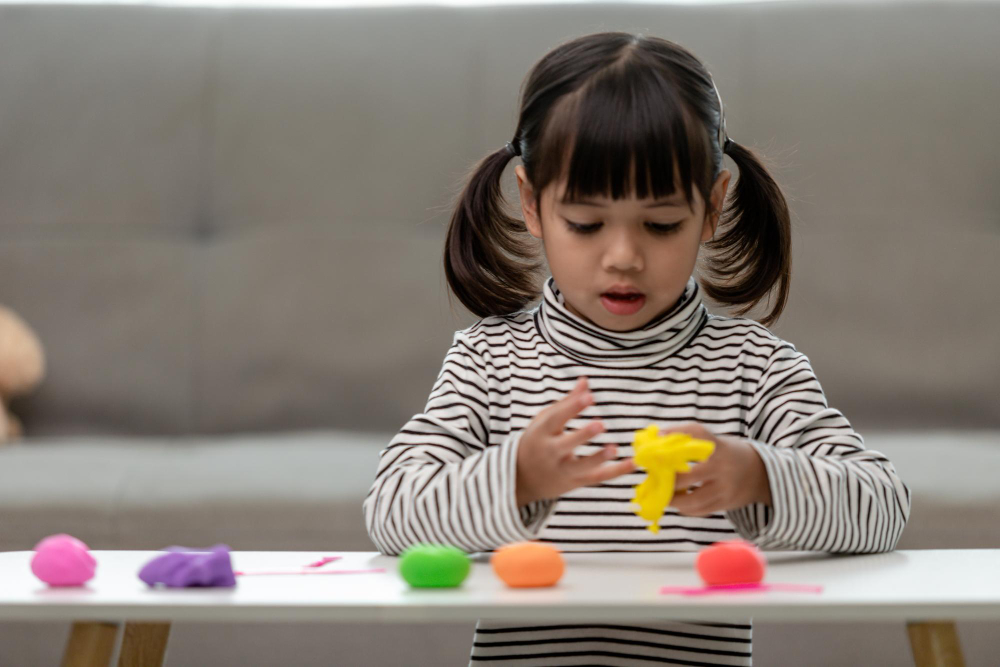
Sensory Integration Therapy is a structured approach provided through occupational therapy. It helps children process sensory input in a more organized and effective way so they can participate in daily activities more comfortably.
The goal is not to change a child’s personality or remove sensitivity, but to help the nervous system respond more appropriately to sensory input. Over time, this leads to better regulation, focus, and functional independence.
How Sensory Challenges Affect Daily Skills
Sensory processing difficulties can impact many areas of a child’s daily life. These challenges are often misunderstood as laziness, stubbornness, or behavioural issues.
Children with sensory difficulties may struggle with:
- Dressing due to discomfort with fabrics or tags
- Eating because of texture sensitivities
- Sitting still during meals or classroom activities
- Following routines and transitions
- Playing cooperatively with peers
- Managing emotions when overwhelmed
When these challenges occur daily, they can affect confidence, learning, and family routines.
Supporting Self-Care Skills Through Sensory Integration Therapy
Daily self-care tasks require coordinated sensory processing. Activities such as brushing teeth, wearing clothes, or using utensils involve touch, movement, and body awareness.
Sensory integration therapy helps children become more comfortable with these sensations. Therapy may gradually increase tolerance to textures, pressure, and movement in a safe and controlled way.
As sensory comfort improves, children often show greater independence in dressing, feeding, grooming, and toileting.
Improving Focus and Attention in Daily Activities
Many children with sensory processing difficulties struggle to focus, especially in environments with multiple sensory inputs. Noise, movement, and visual distractions can make it hard to stay attentive.
Sensory integration therapy supports focus by helping the nervous system stay regulated. When children receive the right type of sensory input, they are better able to sit, listen, and complete tasks.
Improved focus supports daily activities such as homework, classroom learning, and structured play.
Enhancing Motor Skills and Body Awareness
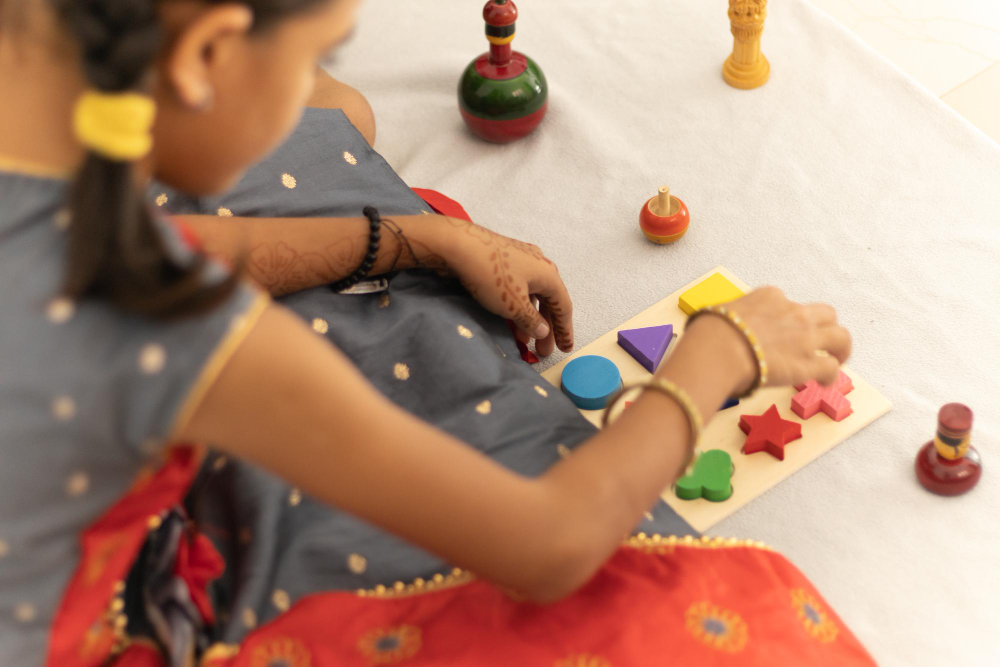
Daily skills require good body awareness and motor planning. Children need to understand where their bodies are in space and how to move them efficiently.
Sensory integration therapy supports:
- Balance and coordination
- Postural control
- Movement planning
- Body awareness
As these skills improve, children become more confident in activities such as climbing stairs, playing games, and navigating their environment safely.
Supporting Emotional Regulation During Daily Routines
Sensory overload often leads to emotional outbursts, withdrawal, or anxiety. Children may not understand why they feel overwhelmed, making it difficult to regulate emotions.
Sensory integration therapy helps children recognize sensory triggers and develop coping strategies. Over time, children learn how to calm themselves, transition between activities, and respond more flexibly to change.
Better emotional regulation supports smoother daily routines at home and school.
Helping Children Participate in School Activities
School environments are rich in sensory input. Noise, crowds, movement, and visual stimulation can be overwhelming for some children.
Sensory integration therapy supports school participation by improving:
- Classroom sitting tolerance
- Ability to follow instructions
- Handwriting readiness
- Peer interaction
- Emotional control during transitions
Children who feel regulated are more likely to engage in learning and social activities successfully.
Supporting Play and Social Interaction

Play is a critical part of childhood development, but sensory challenges can make play difficult. Some children avoid play due to sensory discomfort, while others seek excessive movement that disrupts interaction.
Sensory integration therapy supports play skills by helping children:
- Tolerate different play environments
- Engage in cooperative play
- Understand social boundaries
- Participate in group activities
As play skills improve, social confidence often follows.
Why Sensory Integration Therapy Is Effective for Daily Skills
Sensory integration therapy works because it addresses the root cause of many daily challenges. Instead of focusing only on behaviour, it supports how the nervous system processes information.
By improving sensory regulation, therapy supports multiple areas of daily functioning at once, including self-care, learning, emotional control, and social participation.
Importance of Early Support
The nervous system is most adaptable during early childhood. Providing sensory integration therapy early helps children develop healthy sensory responses before patterns become deeply ingrained.
Early support can:
- Reduce daily frustration
- Improve independence
- Support school readiness
- Strengthen emotional well-being
Waiting too long may allow challenges to interfere with learning and confidence.
Role of Parents in Supporting Daily Skills
Parents play a vital role in reinforcing therapy goals at home. Occupational therapists guide families on how to support sensory needs during daily routines.
Parents may learn strategies related to:
- Creating sensory-friendly routines
- Managing transitions calmly
- Supporting regulation during meals and play
- Encouraging independence without pressure
Consistency between therapy and home life strengthens progress.
When to Consider Sensory Integration Therapy
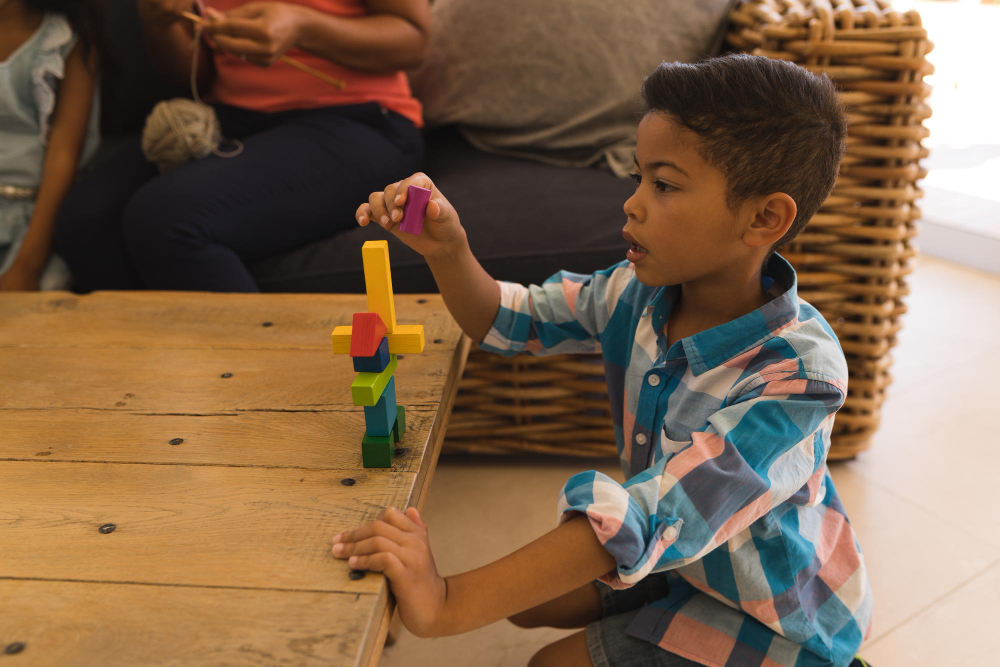
Parents may consider sensory integration therapy if their child consistently struggles with daily activities due to sensory-related discomfort or regulation challenges.
Early assessment provides clarity and helps determine the most effective support plan.
Final Thoughts
For families looking for sensory integration therapy to support daily skills in children in Ahmedabad, structured and child-focused care is available at 7 Senses Pediatric Rehabilitation Center, offering occupational therapy and sensory-based interventions.
Support focused on sensory regulation can help children move toward greater comfort, confidence, and independence in everyday life.