


Have you ever watched your child become completely overwhelmed by a noisy classroom, refuse to wear certain clothing because of how it feels on their skin, or constantly seek out intense physical activities that seem risky or excessive? If so, you may be observing signs of a sensory processing challenge, and you are far from alone.
Sensory integration therapy is a specialized, evidence-based approach that helps children who struggle to process and respond to sensory information in a typical way. At 7 Senses Pediatric Rehabilitation Center, a trusted child development center in Ahmedabad, our therapists use this approach to help children feel more comfortable, confident, and capable in their everyday lives.
What is Sensory Integration Therapy?
Sensory integration therapy, sometimes called sensory processing therapy, is a type of occupational therapy that focuses on how the brain processes information received through the senses. Most people are familiar with the five basic senses: sight, sound, smell, taste, and touch. However, there are actually seven senses that play a critical role in how children experience the world.
- Touch (tactile sense): How the skin registers pressure, texture, temperature, and pain
- Movement (vestibular sense): How the inner ear detects movement, balance, and spatial orientation
- Body awareness (proprioceptive sense): How muscles and joints tell the brain where the body is in space
- Sight (visual sense)
- Hearing (auditory sense)
- Smell (olfactory sense)
- Taste (gustatory sense)
When the brain has difficulty organizing and making sense of input from these systems, it can affect a child’s behavior, attention, emotional regulation, and ability to participate in everyday activities. Sensory integration therapy helps the brain become better at processing this information through carefully designed, play-based activities.
This therapy is closely linked to our broader Occupational Therapy in Ahmedabad program, and is often delivered as part of an integrated treatment plan.
Signs That Your Child May Need Sensory Integration Therapy

Sensory processing challenges can look very different from one child to another. Some children are hypersensitive, meaning they are overly reactive to sensory input, while others are hyposensitive, meaning they seek out more intense sensory experiences. Here are some common signs to look out for:
Signs of Hypersensitivity (Over-Responsiveness)
- Extreme discomfort with certain textures of food, clothing, or surfaces
- Strong negative reactions to loud sounds, bright lights, or crowded environments
- Difficulty being touched lightly, or aversion to hugs
- Frequent meltdowns in busy or stimulating environments
- Anxiety about movement activities such as swings or climbing frames
Signs of Hyposensitivity (Under-Responsiveness)
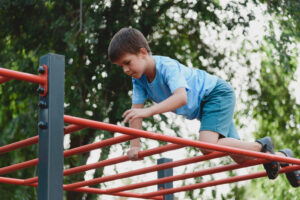
- Constantly seeking out intense physical input, like crashing into things, jumping, or spinning
- High pain threshold or not noticing when hurt
- Difficulty sitting still or paying attention
- Touching or mouthing objects excessively
- Appearing clumsy or unaware of personal space
It is important to remember that many children show some of these behaviors occasionally. It is when these patterns significantly affect a child’s ability to participate in daily life, learning, or social interaction that professional support is worth considering.
How Does Sensory Integration Therapy Work?

Sensory integration therapy is based on the work of Dr. A. Jean Ayres, an occupational therapist and neuroscientist who developed the theory in the 1970s. The approach is grounded in the understanding that the brain has plasticity, meaning it can change and adapt with the right kind of input and experience.
The Therapy Environment
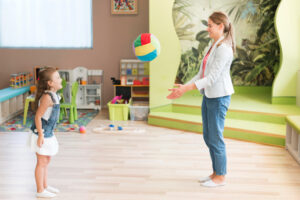
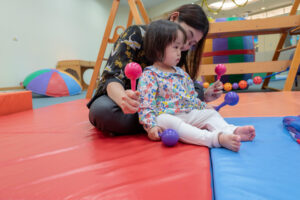
Sessions typically take place in a specially designed sensory gym that contains equipment such as swings, trampolines, ball pools, climbing structures, and tactile materials. The environment is structured to provide rich, controlled sensory experiences that challenge and support the child’s nervous system.
Child-Led, Therapist-Guided
One of the most important principles of sensory integration therapy is that it follows the child’s lead. The therapist carefully observes the child’s interests and responses, and uses this information to guide activities that provide just the right level of sensory challenge. This approach, sometimes called the ‘just right challenge,’ helps the child build new neural pathways without becoming overwhelmed or under-stimulated.
Goal-Oriented and Functional
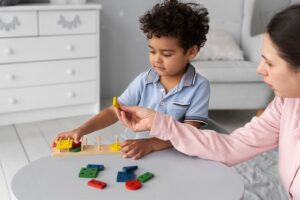
While the sessions may look like play from the outside, every activity has a therapeutic purpose. The goal is always to improve the child’s ability to function in real-life situations, whether that is sitting comfortably in a classroom, tolerating a busy shopping center, or participating in physical education.
Conditions That Benefit from Sensory Integration Therapy
Sensory integration therapy is beneficial for a wide range of conditions and presentations, including:
- Autism Spectrum Disorder (ASD): Sensory sensitivities are extremely common in autistic children, and SIT can significantly improve their comfort and participation in daily life.
- Attention Deficit Hyperactivity Disorder (ADHD): Children with ADHD often have sensory seeking behaviors that affect their ability to focus.
- Developmental Coordination Disorder (DCD): Also known as dyspraxia, this condition involves difficulties with movement planning, which is closely linked to sensory processing.
- Anxiety disorders: Sensory overload can be a significant trigger for anxiety in children.
- Learning disabilities: Difficulties with sensory processing can interfere with reading, writing, and classroom learning.
- Global developmental delay: Children with broader developmental challenges often benefit from sensory support as part of a comprehensive rehabilitation plan.
Sensory Integration Therapy at 7 Senses Pediatric Rehabilitation Center
At 7 Senses Pediatric Rehabilitation Center, we take a deeply individualized approach to sensory integration therapy. Our team of paediatric occupational therapists has extensive training in sensory processing and uses the latest evidence-based techniques to support your child.
Comprehensive Sensory Assessment
Every child begins with a thorough sensory assessment that helps us understand their unique sensory profile. We look at how they respond to different types of sensory input, how they regulate their arousal levels, and how sensory challenges are affecting their daily activities.
Personalized Therapy Plan
Based on the assessment, we design a personalized therapy plan that targets the specific areas where your child needs support. This plan is reviewed and updated regularly to reflect the child’s progress and evolving needs.
Parent Education and Home Strategies
Sensory integration therapy is most effective when it extends beyond the clinic walls. We work closely with parents and caregivers to develop a ‘sensory diet’, which is a personalized schedule of sensory activities that can be incorporated into the child’s daily routine at home and school.
Our sensory integration therapy is complemented by our Speech Therapy services for children who need support across multiple developmental areas.
What Makes 7 Senses Pediatric Rehabilitation Center Different?
You might wonder what sets our center apart from other options for sensory integration therapy in Ahmedabad. Here is what our families consistently tell us makes the difference:
- Our therapists genuinely listen: We take the time to understand each child’s world, not just their diagnosis.
- We involve the whole family: Parents are partners in the process, not just observers.
- Our environment is child-friendly: The center is designed to feel welcoming and calming, so children feel safe from the moment they walk in.
- We take a holistic view: We look at the whole child, including their sensory, emotional, social, and physical needs.
- Our team collaborates: Occupational therapists, speech therapists, and physical therapists work together to provide joined-up care.
Learn more about everything we offer at 7 Senses Pediatric Rehabilitation Center.
Frequently Asked Questions
1. How is sensory integration therapy different from regular play therapy?
While both approaches use play as a medium, sensory integration therapy is a highly specialized discipline rooted in neuroscience. It is delivered by trained occupational therapists using specific equipment and techniques designed to address the brain’s ability to process sensory information. Play therapy, on the other hand, focuses primarily on emotional and psychological wellbeing.
2. How many sessions will my child need?
This varies significantly from child to child. After the initial assessment, your therapist will give you an indication of the likely duration and frequency of sessions. Some children show meaningful progress within a few months, while others may benefit from longer-term support.
3. Can sensory integration therapy help with feeding difficulties?
Yes, absolutely. Many feeding difficulties in children are rooted in sensory sensitivities, particularly around textures, temperatures, and smells. Our therapists work with children who are selective eaters or who have strong aversions to certain foods as part of a broader sensory approach.
4. Is sensory integration therapy suitable for very young children?
Yes. Early intervention is actually strongly recommended for sensory processing challenges. The younger the child, the greater the brain’s plasticity, which means earlier therapy often leads to better long-term outcomes. We work with children from infancy upwards.
5. How can I tell if my child’s sensory responses are within the normal range?
This is one of the most common questions parents ask. A paediatric occupational therapist can conduct a thorough sensory assessment and give you a clear picture of your child’s sensory profile. If you are unsure, it is always worth seeking a professional opinion rather than waiting and wondering.
Conclusion
Every child deserves to feel comfortable in their own skin and in the world around them. If sensory challenges are getting in the way of your child’s learning, play, or relationships, sensory integration therapy could make a profound difference.
At 7 Senses Pediatric Rehabilitation Center, we combine clinical expertise with genuine warmth and care to help children thrive. As one of Ahmedabad’s most trusted paediatric rehabilitation centers, we are here to support your family every step of the way.
Take the first step today. Visit 7sensesprc.com/sensory-integration-therapy to learn more about our programme and book your child’s first assessment. Because the right support, at the right time, changes everything.