
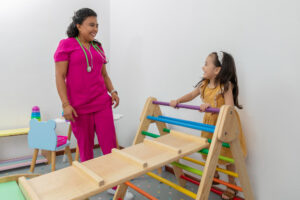



Children with autism experience the world differently — their learning patterns, communication styles, and social understanding may not follow the usual path. But with the right guidance, patience, and structured therapy, these differences can become strengths. ABA therapy in Ahmedabad (Applied Behaviour Analysis) is one such proven approach that helps children with autism improve communication, learning, and behaviour step by step. This evidence-based therapy focuses on reinforcing positive actions and teaching practical life skills in a way children understand best — through consistency and encouragement.
Understanding Autism and Its Impact on Learning
Autism Spectrum Disorder (ASD) affects how children communicate, interact socially, and respond to their environment. Some children may face challenges with speech and understanding cues, while others might show repetitive behaviours or struggle with a change in routine.
Autism is not a disease — it’s a developmental difference. With structured support, children on the spectrum can learn effectively, adapt to new situations, and thrive both at home and in school.
In Ahmedabad, awareness around early autism therapy has grown, leading many parents to seek ABA therapy as a scientifically backed, compassionate way to help their children progress.
What Is ABA Therapy?
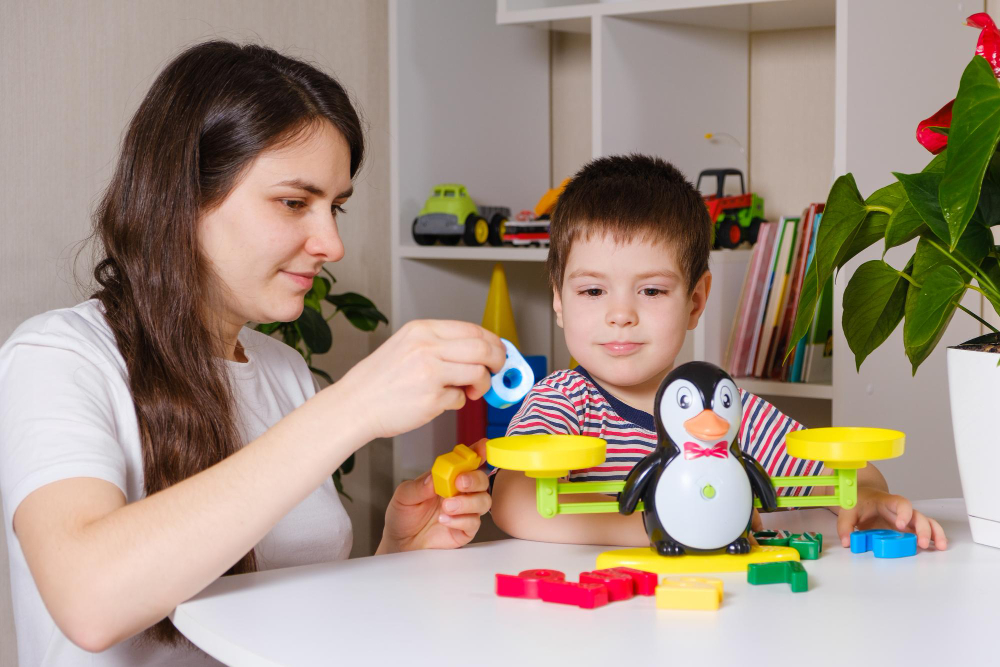
Applied Behaviour Analysis (ABA) is a therapy approach that uses the science of behaviour and learning. It focuses on understanding how behaviour works, how it’s affected by the environment, and how learning can be shaped using positive reinforcement.
In simple terms, ABA therapy helps children learn new skills by breaking them into smaller, manageable steps — and rewarding success along the way.
Core Principles of ABA Therapy:
- Observation: Understanding how a child behaves and reacts to situations.
- Motivation: Using positive reinforcement (praise, rewards, favourite toys) to encourage learning.
- Repetition: Consistent practice to help a child master skills gradually.
- Progress Tracking: Measuring behaviour changes and adjusting techniques based on results.
This structured method ensures learning happens in a positive, enjoyable, and sustainable way.
Why ABA Therapy Works So Well for Children with Autism
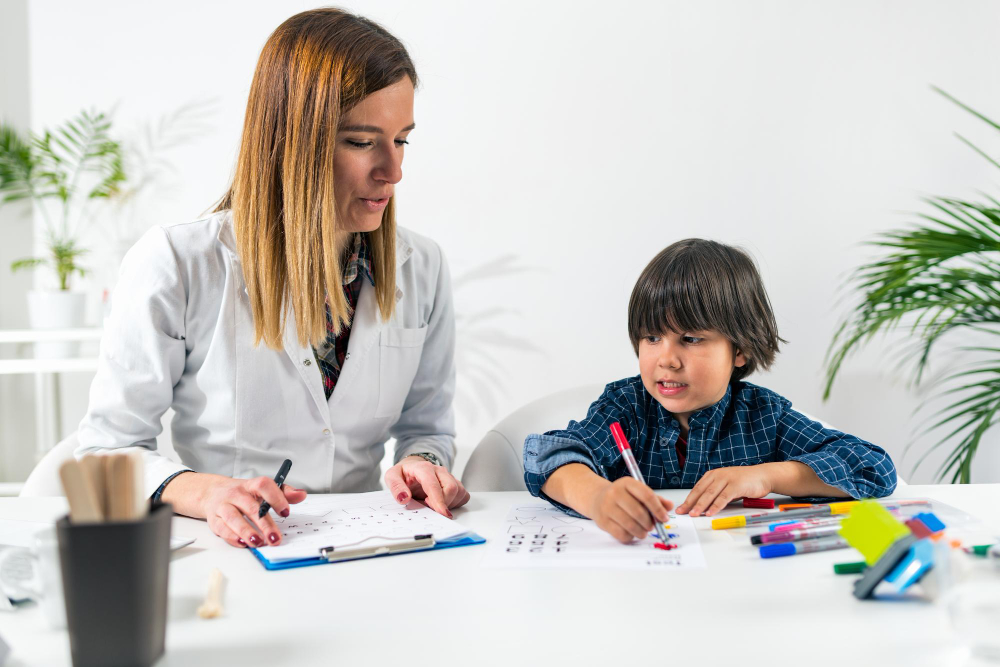
Children with autism benefit from structure and clarity. ABA provides a predictable routine, consistent reinforcement, and clear communication — three things that help children learn effectively.
Key Benefits of ABA Therapy:
- Builds communication and language skills
- Encourages social interaction and cooperation
- Reduces challenging behaviours like aggression or withdrawal
- Develops self-help and independence skills
- Improves focus, attention, and academic readiness
These outcomes make ABA one of the most recommended therapies globally for children with autism.
How ABA Therapy Is Practised in Ahmedabad
In Ahmedabad, ABA therapy is conducted by trained behaviour therapists and psychologists who specialise in child development. Therapy sessions can take place in clinical settings, at home, or even in schools, depending on what suits the child best.
At reputable pediatric rehabilitation centers, ABA programs are customised for each child based on assessments of their current strengths and challenges.
Typical Structure of ABA Therapy:
- Assessment: Therapists observe the child’s existing behaviours, triggers, and communication style.
- Goal Setting: Together with parents, therapists define short- and long-term learning objectives.
- Skill Building: Using step-by-step teaching for social, motor, and communication skills.
- Behaviour Modification: Replacing negative or repetitive behaviours with positive ones.
- Generalisation: Helping the child apply learned skills in real-life situations, such as at school or playgrounds.
Consistency is key. Even small improvements — like making eye contact or following a simple instruction — are celebrated as milestones.
Role of Parents in ABA Therapy
Parents are a child’s first and most consistent teachers. In ABA therapy, their role is essential.
Therapists train parents to apply ABA strategies at home, such as using consistent communication cues, rewarding positive actions, and maintaining structure. This ensures that progress made during sessions continues in everyday life.
How Parents Can Support ABA Therapy:
- Stay involved in therapy planning and reviews
- Reinforce skills learned during sessions
- Maintain patience and celebrate small progress
- Communicate regularly with therapists about home behaviour
When therapy extends beyond the clinic, children experience faster and more lasting improvement.
Addressing Misconceptions About ABA Therapy
While ABA therapy is widely recognised as one of the most effective treatments for autism, there are some misconceptions around it — mainly that it’s too rigid or controlling.
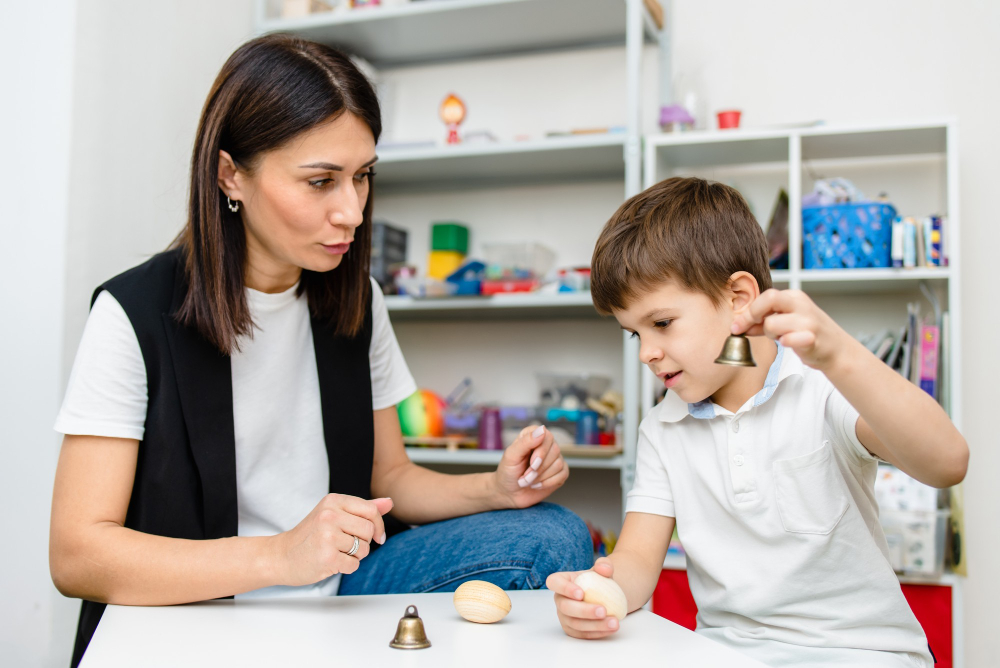
In reality, modern ABA focuses on gentle, child-centred learning that respects the child’s emotions and individuality. Sessions are play-based, flexible, and designed to make learning enjoyable.
The emphasis is not on “correcting” behaviour but on teaching useful alternatives — helping children express themselves better and navigate their world with confidence.
Behaviour Improvement Therapy – Beyond Autism
While ABA therapy is most commonly associated with autism, its principles are also effective for other developmental challenges. Children with ADHD, learning difficulties, or social anxiety can also benefit from behaviour improvement therapy, as it helps shape focus, patience, and positive habits.
In Ahmedabad, many pediatric centres integrate ABA with occupational or speech therapy to create a holistic child development program. This approach ensures that cognitive, emotional, and physical skills are all addressed together.
What to Expect from ABA Therapy Sessions
Each ABA therapy session is structured yet flexible. Sessions usually last between 1–2 hours, several times a week, depending on the child’s needs.
Activities may include:
- Matching shapes, colours, or pictures
- Practising greetings or social cues
- Role-playing daily activities
- Using flashcards, toys, or puzzles for learning
- Teaching self-care routines like eating or dressing
Therapists keep detailed records of what works best for each child and continuously adapt the plan for better results.
When to Start ABA Therapy
Experts recommend starting ABA therapy as early as possible — ideally between ages 2 and 6. During this time, children are more receptive to structured learning, and their brains are highly adaptable.
However, it’s never too late to start. Even older children and teenagers benefit from behaviour-based programs that build social understanding and self-regulation.
If parents notice persistent signs such as lack of speech, repetitive actions, or difficulty following instructions, consulting a child development centre for an assessment is the right step.
Challenges and Realistic Expectations
ABA therapy is not a quick fix. It requires time, patience, and collaboration between therapists and families. Some children show rapid progress; others take longer — both are normal.
Consistency and trust are the cornerstones of progress. Over time, families often report not just behavioural improvements, but also greater emotional connection and confidence in their child’s abilities.

The Growing Awareness of ABA in Ahmedabad
Ahmedabad has seen a remarkable rise in awareness about autism and developmental therapies in recent years. More parents are recognising the value of early and structured support rather than waiting for children to “grow out” of their challenges.
The city’s pediatric rehabilitation centres now combine multiple therapies — including ABA, occupational, and speech therapy — to provide comprehensive developmental care. This integrated model has brought hope to hundreds of families seeking a better quality of life for their children.
Conclusion
Autism brings unique challenges — but also unique strengths. With empathy, structure, and professional support, every child can learn, grow, and connect meaningfully with the world around them.
ABA therapy in Ahmedabad offers a practical, proven way to help children with autism strengthen their skills, manage emotions, and achieve independence at their own pace.
If you’re exploring therapy options for your child, learn more about ABA-based programs and family support at 7senses pediatric rehabilitation center. Taking the first step early can open doors to lasting growth and confidence.
FAQs
Q1: At what age is it best to begin ABA therapy?
ABA therapy can start as early as 2 years old. Early intervention offers the most lasting benefits, but it’s helpful at any age.
Q2: How long does ABA therapy take?
The duration varies depending on the child’s needs. Some children may attend therapy for several months, while others continue for a few years.
Q3: Can ABA therapy be done at home?
Yes. Many therapists offer home-based ABA programs or train parents to continue exercises at home.
Q4: Is ABA therapy only for children with autism?
No. While it’s most effective for autism, it can also support children with behavioural and learning challenges.
Q5: What makes ABA therapy different from other approaches?
ABA focuses on measurable progress using reinforcement techniques, making it adaptable and result-driven without being forceful.