

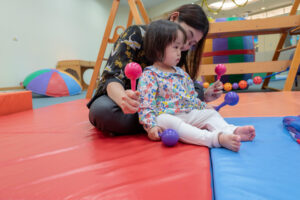

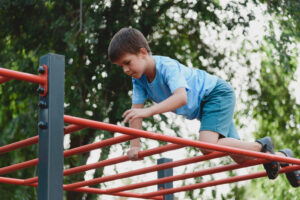

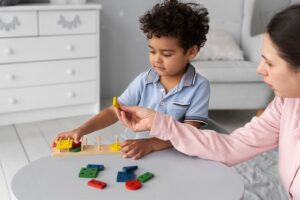

Every child deserves the chance to do everyday things with confidence, whether that is tying their shoelaces, holding a pencil, playing with other children, or simply following a classroom routine. For many children, these tasks can feel genuinely difficult, not because they are not trying hard enough, but because they need a little extra support to get there. That is exactly where occupational therapy steps in.
At 7 Senses Pediatric Rehabilitation Center, one of the leading child development centers in Ahmedabad, we offer personalized occupational therapy programs that are designed around each child’s unique strengths and challenges. Our goal is simple: to help children participate fully in the activities that matter most to them and their families.
What is Occupational Therapy?
Occupational therapy, often shortened to OT, is a healthcare discipline that helps individuals develop, recover, or maintain the skills needed for daily living and meaningful activities. For children, these ‘occupations’ include playing, learning, self-care, and social interaction.
A paediatric occupational therapist works with children to strengthen fine motor skills, sensory processing, attention, and coordination, among other areas. The therapy is always goal-oriented and tailored to fit the child’s developmental stage and individual needs.
Occupational therapy is not a one-size-fits-all approach. It is a deeply personalized process that respects where each child is right now and works gradually toward where they want to be.
Who Can Benefit from Occupational Therapy in Ahmedabad?

Children come to occupational therapy for a wide range of reasons. Some have a diagnosed condition, while others simply struggle with specific developmental milestones. Here are some of the children who benefit most from OT:
- Children with autism spectrum disorder (ASD) who need support with sensory processing and daily routines
- Children with ADHD who struggle with focus, organization, and self-regulation
- Children with developmental delays or learning disabilities
- Children who have difficulty with fine motor tasks such as writing, cutting, or buttoning clothes
- Children with low muscle tone or coordination challenges
- Children recovering from an injury or illness that has affected their daily functioning
- Children with sensory sensitivities who find certain textures, sounds, or environments overwhelming
If you have noticed that your child avoids certain activities, gets frustrated easily during tasks, or seems to be falling behind their peers in daily skills, a consultation with a paediatric occupational therapist could be a very valuable first step.
What Does an OT Session Look Like?

One of the most common questions parents ask is: What actually happens during an occupational therapy session? The good news is that sessions are designed to feel engaging and enjoyable for the child. Therapy is often built around play-based activities, which helps children stay motivated and reduces any anxiety they might have about attending.
Initial Assessment
Before therapy begins, the occupational therapist conducts a thorough assessment of the child. This includes observing how the child moves, plays, and interacts, speaking with parents and caregivers to understand the child’s history and daily challenges, and using standardized tools to evaluate specific skill areas.
Goal Setting
Based on the assessment, the therapist works with the family to set realistic and meaningful goals. These goals are always aligned with what is most important to the child and their family in daily life.
Therapy Sessions
Sessions typically involve a combination of structured activities and child-led play. The therapist guides the child through exercises and tasks that target specific skill areas, while keeping the atmosphere positive and encouraging. At 7 Senses Pediatric Rehabilitation Center, parents are actively involved in this process, which makes the learning extend beyond the clinic and into home life as well.
Key Areas Addressed in Occupational Therapy

Fine Motor Skills
Fine motor skills involve the small muscles of the hands and fingers. Many children with developmental challenges struggle to grip a pencil correctly, use scissors, fasten buttons, or manipulate small objects. Occupational therapy uses targeted activities to build strength and coordination in these areas.
Sensory Processing
Some children experience the world very differently due to sensory processing difficulties. They may be overly sensitive to touch, sound, or movement, or they may seek out intense sensory input. Our therapists use sensory integration techniques to help children process and respond to sensory information more effectively. You can learn more about this on our
You can learn more about sensory approaches on our Sensory Integration Therapy page.
Self-Care and Daily Living Skills
From getting dressed in the morning to managing a lunchbox at school, daily living skills are fundamental to a child’s independence. Occupational therapy helps children build the confidence and ability to manage these tasks on their own.
Handwriting and Visual Motor Integration
Difficulty with handwriting is one of the most common reasons children are referred for OT. Therapists work on pencil grip, letter formation, spacing, and the overall coordination between what the eyes see and what the hands do.
Emotional Regulation and Social Participation
Children who struggle with emotional regulation may have meltdowns, difficulty transitioning between activities, or trouble playing cooperatively with peers. OT addresses the underlying sensory and cognitive factors that contribute to these challenges.
Why Choose 7 Senses Pediatric Rehabilitation Center for Occupational Therapy in Ahmedabad?
There are many clinics offering therapy services in Ahmedabad, but 7 Senses Pediatric Rehabilitation Center stands out for several important reasons.
- Expert team: Our occupational therapists are qualified, experienced, and passionate about paediatric care.
- Personalized programs: Every child receives a customized treatment plan, not a generic protocol.
- Family involvement: We believe parents are essential partners in the therapeutic process and keep them informed at every stage.
- Nurturing environment: Our center is designed to feel welcoming and safe, so children can focus on growing rather than feeling anxious.
- Integrated care: Our OT team works closely with our speech therapists and physical therapists to provide holistic, coordinated support.
Explore our complete range of services at 7 Senses Pediatric Rehabilitation Center.
Practical Tips for Parents
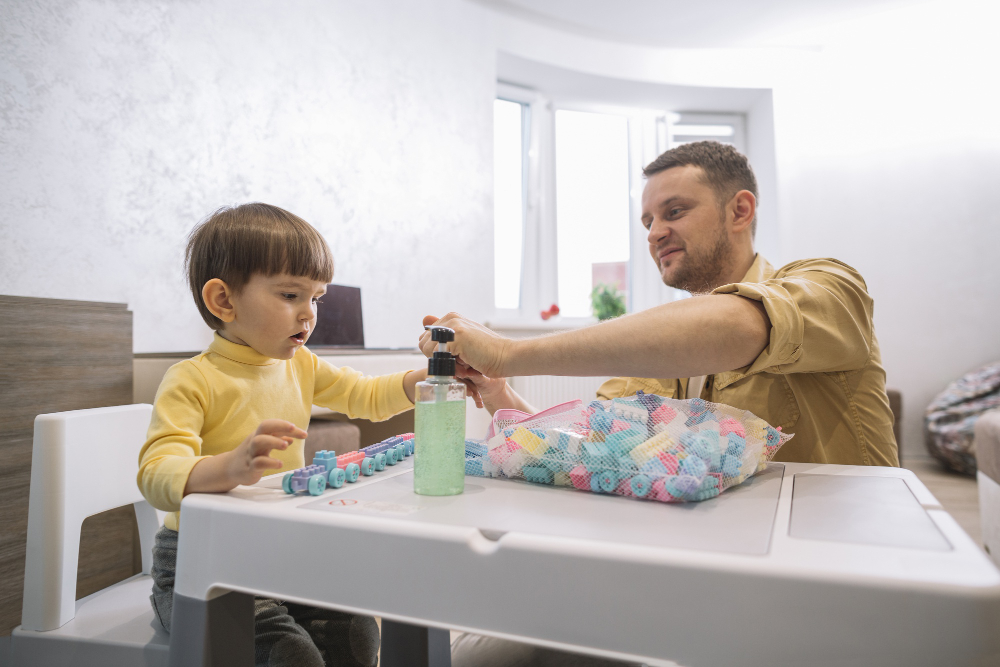
If your child is receiving occupational therapy or you are considering it, here are a few things that can make a real difference to their progress:
- Be consistent: Try to practice the exercises and activities recommended by the therapist at home, even for just a few minutes each day.
- Be patient: Progress in therapy is gradual. Celebrate small wins along the way.
- Communicate openly: Share your observations with the therapist. Your insight as a parent is invaluable.
- Keep it positive: Avoid putting pressure on your child during home practice. The goal is to make it feel natural and enjoyable.
- Ask questions: Do not hesitate to ask the therapist to explain anything you are unsure about. Being informed helps you support your child better.
Frequently Asked Questions
1. At what age can children start occupational therapy?
Occupational therapy can begin as early as infancy. The sooner a challenge is identified and addressed, the better the outcomes tend to be. However, it is never too late to seek support, and older children benefit significantly from OT as well.
2. How long does occupational therapy take to show results?
The timeline varies from child to child and depends on the nature and severity of the challenges. Some children show noticeable progress within a few weeks, while others may need several months of consistent therapy. Your therapist will give you a realistic picture after the initial assessment.
3. Is occupational therapy only for children with special needs?
Not at all. While OT is highly beneficial for children with diagnosed conditions such as autism or ADHD, it also helps children who simply struggle with certain tasks or are falling slightly behind in their development. Any child who is having difficulty with daily activities could potentially benefit from an OT evaluation.
4. How is occupational therapy different from physical therapy?
Physical therapy focuses primarily on gross motor skills, strength, and mobility, while occupational therapy addresses a broader range of skills needed for daily living, including fine motor, sensory processing, cognitive, and social skills. At 7 Senses Pediatric Rehabilitation Center, our OT and PT teams often work together to provide comprehensive care.
5. How do I book a session at 7 Senses Pediatric Rehabilitation Center?
You can visit our website to get in touch with our team and schedule an initial consultation. We will guide you through the process from the very first call.
Conclusion
Occupational therapy is one of the most effective and compassionate tools available to support children’s development. Whether your child is navigating a diagnosed condition or simply needs a little extra help building everyday skills, the right therapy can make a world of difference.
At 7 Senses Pediatric Rehabilitation Center, we are committed to walking this journey alongside your family, every step of the way. Our expert team, warm environment, and personalized approach make us a trusted choice for occupational therapy in Ahmedabad.
Ready to take the first step? Visit our website and book your child’s first session today. Because every child deserves the chance to thrive.