
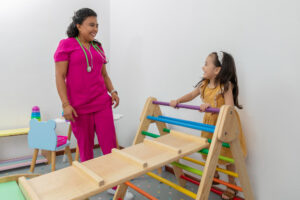



Every child learns and grows at their own pace. Some children easily adapt to new tasks like holding a pencil, buttoning a shirt, or interacting with others, while others may find these skills challenging. These differences don’t define a child’s potential; they simply indicate the need for guided support.
That’s where occupational therapy in Ahmedabad plays a vital role. Designed to help children build essential life skills, occupational therapy (OT) focuses on improving a child’s ability to perform everyday tasks independently and confidently. Through structured play, sensory exercises, and movement-based learning, children develop better coordination, emotional balance, and self-esteem.
What Is Occupational Therapy?
Occupational therapy is a specialised form of therapy that helps individuals — especially children — develop the skills needed for daily living, learning, and social participation.
For children, OT goes beyond basic physical exercises. It is about nurturing confidence, coordination, and sensory awareness so they can participate in everyday routines both at home and in school.
At a trusted child development centre in Ahmedabad, occupational therapy sessions are carefully designed to target each child’s specific developmental goals.
Core Areas Addressed by Occupational Therapy:
- Fine Motor Skills: Activities like writing, drawing, cutting, and holding small objects.
- Gross Motor Skills: Movement-based skills such as balancing, jumping, or climbing.
- Sensory Processing: Helping children respond appropriately to sounds, textures, lights, or movement.
- Self-Care Skills: Tasks like dressing, brushing teeth, eating, and grooming.
- Social Interaction: Building confidence to communicate and play with peers.
By integrating these areas into therapy, occupational therapists enable children to participate fully in their daily environments.
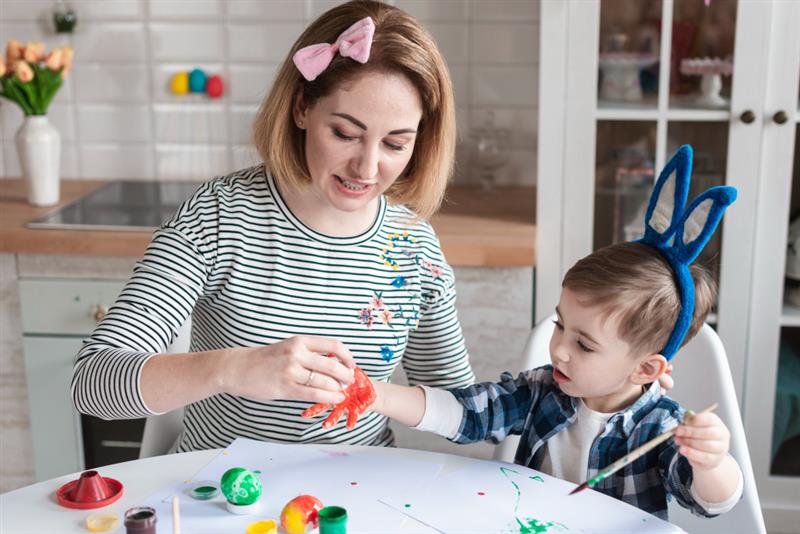
Why Occupational Therapy Is Important for Children
Childhood is a crucial time for developing physical, social, and cognitive skills. When certain developmental stages take longer or occur differently, early intervention becomes essential.
Occupational therapy helps children bridge these gaps through consistent, structured practice — turning challenges into achievable milestones.
Key Benefits Include:
- Improved Coordination: Enhances hand-eye coordination and control during activities like writing or eating.
- Better Concentration: Increases attention span and reduces impulsive behaviours.
- Sensory Balance: Helps manage sensitivity to sounds, touch, or movement.
- Independence: Builds confidence in managing daily routines without excessive help.
- Social Confidence: Encourages interaction, teamwork, and communication.
In cities like Ahmedabad, where schools are increasingly recognising the value of inclusive learning, OT is becoming a crucial part of many children’s developmental journeys.
Understanding Sensory Integration Therapy
One of the most important parts of occupational therapy is sensory integration therapy — a method that helps children who have trouble processing sensory information.
Children with sensory processing issues may overreact to loud noises, textures, or lights, or they may seek constant movement and stimulation. Sensory integration therapy helps these children understand and respond to sensory input more effectively.
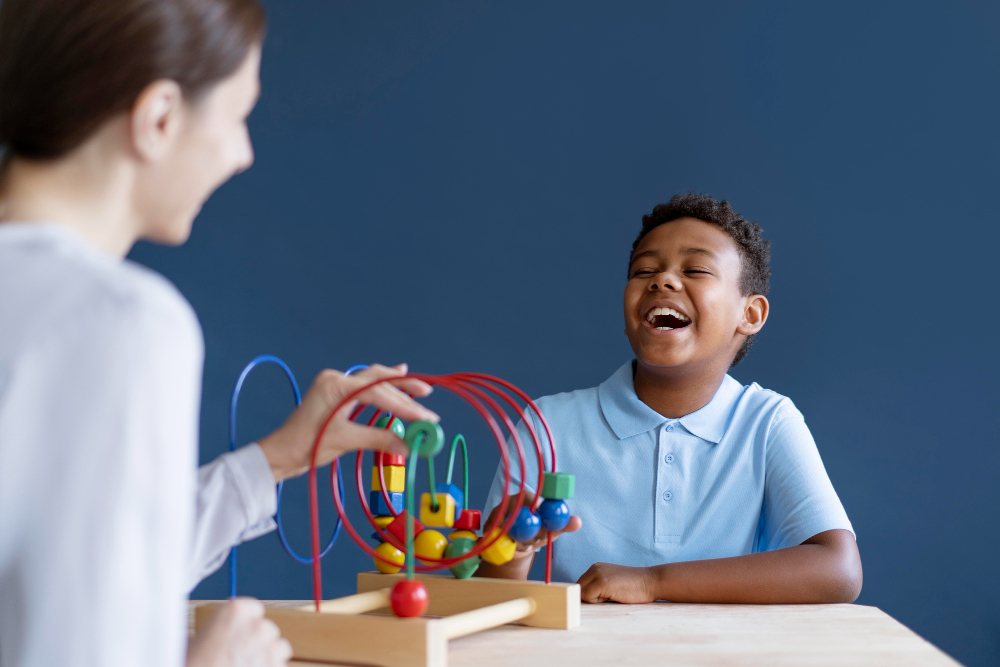
How It Works:
Therapists create a safe, play-based environment where children engage in activities like swinging, balancing, jumping, or tactile play. These exercises are not just fun — they help the brain organise and interpret sensory signals correctly.
Benefits of Sensory Integration Therapy:
- Reduces over-sensitivity or under-responsiveness to sensory inputs
- Improves focus and calmness
- Enhances motor planning and spatial awareness
- Encourages better body coordination
This therapy helps children gain control over their sensory world, making everyday activities less stressful and more enjoyable.
Common Challenges That Occupational Therapy Can Address
Parents often seek OT when they notice their child struggling with day-to-day tasks. Some common conditions or challenges that benefit from occupational therapy include:
- Developmental Delays: Slow progress in reaching milestones like crawling or walking.
- Autism Spectrum Disorder (ASD): Difficulty with communication, sensory processing, or social engagement.
- Attention Deficit Hyperactivity Disorder (ADHD): Trouble focusing, sitting still, or following routines.
- Learning Disabilities: Problems with handwriting, memory, or task organisation.
- Coordination Disorders: Difficulty performing actions that require balance and timing.
- Behavioural and Emotional Regulation Issues: Frequent frustration, aggression, or withdrawal.
Each therapy plan is tailored based on the child’s needs, ensuring gradual and meaningful progress.
Inside an Occupational Therapy Session
Occupational therapy sessions are designed to be interactive and engaging — children learn through play, movement, and exploration.
What a Typical Session Looks Like:
- Assessment: The therapist observes how the child performs daily tasks and identifies strengths and challenges.
- Goal Setting: Clear, achievable goals are set in collaboration with parents.
- Activity-Based Therapy: Games and exercises target skills like grip strength, visual tracking, and coordination.
- Sensory Activities: Use of swings, textures, and balance boards to regulate sensory responses.
- Review and Feedback: Parents are updated on progress and given activities to continue at home.
Every activity — from stacking blocks to using scissors — has a purpose. It builds the foundation for focus, patience, and physical control.
Fine Motor Skills and Their Importance
Fine motor skills involve the use of small muscles in the hands and fingers. These skills are essential for tasks like holding a pencil, buttoning clothes, or tying shoelaces.
Children with underdeveloped fine motor skills may find writing tiring or struggle to use tools like crayons and spoons. Occupational therapy focuses on strengthening these muscles through targeted exercises.

Examples of Fine Motor Activities:
- Bead threading and pegboards
- Cutting shapes with safety scissors
- Playing with clay or playdough
- Drawing or colouring with guidance
- Practising daily self-help activities
Improving fine motor coordination not only enhances writing and drawing but also supports independence in everyday life.
How Occupational Therapy Supports Learning and School Readiness
School environments demand concentration, social interaction, and fine motor control — all areas where occupational therapy makes a visible difference.
Through therapy, children develop:
- Better posture and stamina for classroom activities
- Improved handwriting and visual tracking
- Greater focus during lessons
- Confidence to interact and participate
Teachers often observe positive changes in classroom performance once occupational therapy begins. For many children, OT becomes the bridge between learning challenges and academic success.
Involving Parents in the Therapy Process
The success of occupational therapy depends not just on professional sessions, but also on how consistently parents support it at home.
Therapists in Ahmedabad encourage families to participate in therapy planning and practice. Parents receive home plans — simple activities that can be included in everyday routines, such as playing with puzzles, helping with dressing, or sorting household items.
This active involvement ensures that therapy continues beyond the clinic, making progress more consistent and lasting.
The Emotional and Social Impact of Occupational Therapy
Beyond physical development, occupational therapy helps children feel emotionally secure and socially capable. When children learn to complete tasks on their own, their self-esteem grows.
They become more willing to try new activities, engage with peers, and express themselves freely. This emotional confidence often reflects positively in their relationships and learning performance.
In many cases, children who once avoided social interaction begin to participate in group play or classroom discussions — small yet meaningful victories for both child and parent.

When Should Parents Consider Occupational Therapy in Ahmedabad?
Parents should consider occupational therapy if they observe consistent challenges in any of the following areas:
- Difficulty performing age-appropriate daily activities
- Poor balance or coordination
- Avoidance of sensory experiences (e.g., certain textures or sounds)
- Limited concentration or constant movement
- Challenges in handwriting or tool use
- Delayed social and play skills
Early assessment is always beneficial. The earlier therapy starts, the faster the progress tends to be.
Conclusion
Occupational therapy empowers children to explore, learn, and grow at their own pace. It bridges the gap between potential and performance, giving them the confidence to handle daily life with independence and joy.
For families in Ahmedabad, occupational therapy offers a path toward understanding and supporting each child’s unique way of learning. It’s not about perfection — it’s about progress.
Every child’s journey is unique — and sometimes, the right support can make all the difference. If you’re looking for guidance or wish to discuss your child’s developmental needs, our team is here to help. Reach out today to schedule a consultation or learn more about our therapy programs. Together, we can help your child grow with confidence and joy.
FAQs
Q1: What is the ideal age to start occupational therapy?
Children as young as 2 years can benefit from occupational therapy, especially if developmental delays are noticed early.
Q2: How long does it take to see improvement?
Progress varies by child. Many begin showing noticeable changes within a few months of regular sessions.
Q3: Can occupational therapy help with handwriting issues?
Yes. Occupational therapists focus on hand strength, grip, and visual coordination to improve handwriting.
Q4: Is occupational therapy only for children with disabilities?
No. It’s beneficial for any child who faces challenges in coordination, focus, or daily life skills.
Q5: How can parents support therapy at home?
By incorporating simple exercises into routines — such as sorting, stacking, or drawing — parents can help reinforce therapy outcomes.