



When a child struggles to keep up with peers physically, whether that is learning to walk, maintaining balance, or recovering from an injury, parents often wonder if something more than time is needed.
Paediatric physiotherapy is a specialist field that addresses exactly these concerns. It supports children with movement, strength, coordination, and physical function, across a wide range of conditions and developmental needs.
This guide explains what paediatric physiotherapy involves, which children benefit from it, what sessions look like in practice, and when to seek an assessment.
What Is Paediatric Physiotherapy?
Paediatric physiotherapy is a branch of physiotherapy specifically focused on infants, children, and adolescents. It addresses difficulties with physical development, movement, strength, balance, and coordination that arise from neurological conditions, musculoskeletal problems, genetic conditions, or developmental delays.
A paediatric physiotherapist assesses how a child moves and functions, identifies what is limiting their physical development, and designs a programme to address it. Sessions are tailored to the child’s age, diagnosis, and goals, and are almost always play-based for younger children.
At 7 Senses in Ahmedabad, physiotherapy is delivered as part of a multidisciplinary approach alongside occupational therapy, speech therapy, and ABA where relevant.
Which Children Benefit From Physiotherapy?
Paediatric physiotherapy is relevant for children with a wide range of presentations:
- Cerebral palsy: One of the most common reasons children see a paediatric physiotherapist. Physiotherapy improves muscle tone, movement patterns, posture, and functional independence for children with cerebral palsy.
- Developmental coordination disorder (DCD): Children who are consistently clumsy, struggle with balance, or have difficulty learning new physical skills may have DCD. Physiotherapy builds the motor skills they need to participate in daily activities and sport.
- Delayed motor milestones: Children who are late to sit, stand, walk, or run without an identified diagnosis often benefit from physiotherapy to support motor development.
- Muscular dystrophy and neuromuscular conditions: Physiotherapy maintains strength, flexibility, and function as long as possible, and prevents secondary complications like contractures.
- Down syndrome: Low muscle tone (hypotonia) is common in children with Down syndrome. Physiotherapy targets postural control, gross motor development, and functional movement.
- Autism spectrum disorder: Some autistic children have motor planning difficulties or sensory-motor integration challenges. Physiotherapy works alongside occupational therapy and sensory work to address these.
- Orthopaedic conditions and injuries: Fractures, post-surgical rehabilitation, scoliosis, and other structural issues are managed through targeted physiotherapy programmes.
- Premature birth: Babies born significantly early often have delayed motor development and benefit from early physiotherapy intervention to support their physical milestones.
- Acquired brain injuries: Children recovering from head injuries, strokes, or other neurological events use physiotherapy as a core part of their rehabilitation.
What Does a Paediatric Physiotherapy Session Look Like?
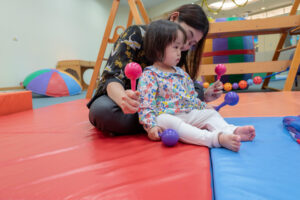
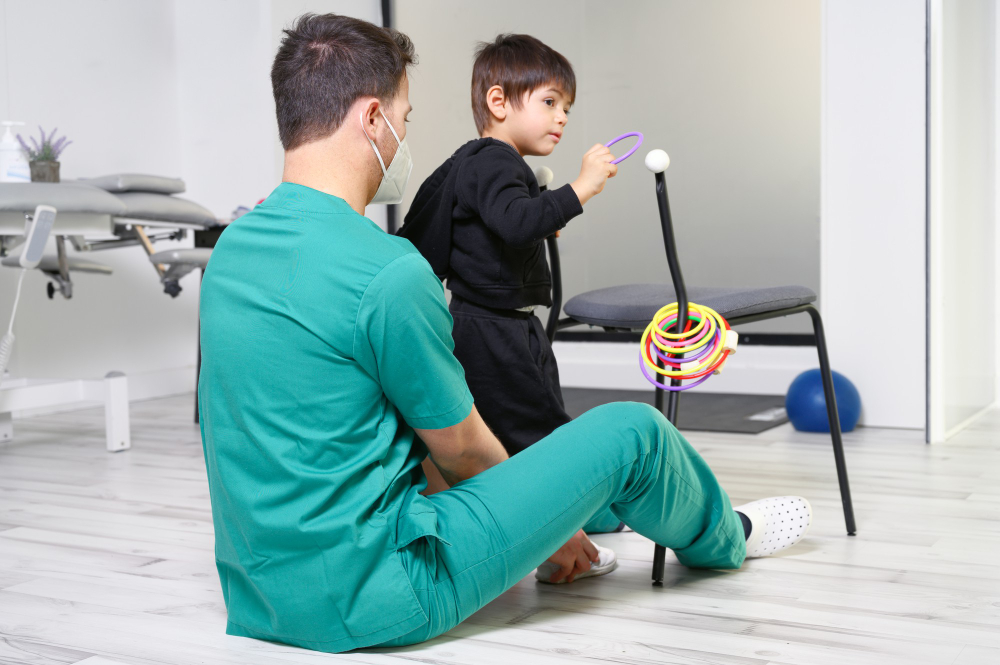
For most children, physiotherapy sessions look more like play than exercise. The physiotherapist uses games, equipment, and activities that are engaging for the child while targeting specific physical goals.
A typical session may include:
- Strengthening activities: Using body weight, resistance, and play-based tasks to build core strength, limb strength, and overall muscle function.
- Balance and coordination work: Activities that challenge the child’s ability to maintain stable postures and coordinate movements across different surfaces and environments.
- Gait training: For children with walking difficulties, the physiotherapist works on foot placement, stride pattern, posture, and endurance.
- Stretching and flexibility: Addressing muscle tightness or contractures that limit movement or cause discomfort.
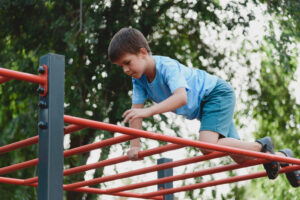
- Gross motor skill development: Practising developmental movements like rolling, crawling, climbing, jumping, and running in a structured and supportive environment.
- Home programme: Every session includes guidance on activities families can continue at home. Consistent practice between sessions is one of the biggest drivers of progress. Our parents training and home plans service supports families with this.
How Is Paediatric Physiotherapy Different From Adult Physiotherapy?
Adult physiotherapy typically addresses injuries, pain, and recovery. Paediatric physiotherapy is much broader. It addresses development itself, which means the physiotherapist is not just treating a specific problem but supporting a child’s overall physical growth trajectory.
Children also respond differently to treatment. Motivation, attention span, and the ability to follow instructions vary enormously by age and diagnosis. A skilled paediatric physiotherapist adjusts the approach constantly to keep the child engaged and progressing.
Sessions for toddlers may be almost entirely parent-directed play, with the therapist coaching the caregiver in real time. Sessions for school-age children may involve more structured exercises with clear goals the child understands and works towards.
How Does Physiotherapy Fit With Other Therapies?
For many children, physiotherapy is one part of a broader multidisciplinary plan. The areas each therapy covers are distinct but complementary:
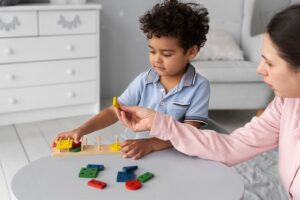
- Physiotherapy vs occupational therapy: Occupational therapy focuses on fine motor skills, sensory processing, and daily living skills such as dressing, eating, and writing. Physiotherapy focuses on gross motor skills, movement, strength, and physical function. Many children receive both simultaneously.
- Physiotherapy and sensory integration: Children with sensory processing difficulties often have motor challenges alongside them. Sensory integration therapy addresses how the nervous system processes sensory input, which directly affects a child’s ability to plan and execute movement.
- Physiotherapy and ABA: For autistic children, ABA therapy addresses behaviour, communication, and learning. Physiotherapy addresses the motor side. For a full picture of how ABA works, read our guide on ABA therapy in Ahmedabad.
Signs Your Child May Need a Physiotherapy Assessment
It is worth seeking an assessment if your child:
- Is not meeting gross motor milestones for their age (sitting, standing, walking, running)
- Walks on tiptoes consistently past age 2 to 3
- Falls frequently or struggles with balance on normal surfaces
- Has noticeably low muscle tone, appears floppy or tires easily during physical activity
- Avoids physical play or is significantly less active than peers
- Has an unusual walking pattern that has not resolved on its own
- Is recovering from surgery, a fracture, or an acquired neurological condition
Frequently Asked Questions
Q: At what age can a child start physiotherapy?
Physiotherapy can begin in infancy. For children with cerebral palsy, Down syndrome, or other conditions identified at or before birth, early intervention physiotherapy is recommended as soon as possible. There is no lower age limit.
Q: How often should a child attend physiotherapy sessions?
This depends on the child’s condition and goals. Most children benefit from one to two sessions per week alongside a consistent home programme. The physiotherapist will advise on the right frequency after the initial assessment.
Q: Will physiotherapy hurt my child?
Paediatric physiotherapy is not painful. Sessions are designed to be engaging and positive. Some exercises may be challenging, but a good physiotherapist adjusts the level constantly to keep the child working at a productive but comfortable level.
Q: How long before we see results from physiotherapy?
This varies considerably by condition and the child’s starting point. Some families notice changes within 6 to 8 weeks of consistent sessions and home practice. For complex neurological conditions, progress is measured over months rather than weeks.
Q: Can physiotherapy help a child who has already missed early intervention?
Yes. While early intervention produces the best outcomes, physiotherapy is beneficial at any age. Older children and adolescents make meaningful progress with physiotherapy, particularly for specific goals like improving gait, building strength, or recovering from injury.
Q: Is physiotherapy available alongside other therapies at the same centre?
Yes. At 7 Senses in Ahmedabad, physiotherapy is available alongside occupational therapy, speech therapy, ABA, and other services. Read more about the full range of services on our paediatric rehabilitation page.
Conclusion
Paediatric physiotherapy gives children with movement, strength, and coordination difficulties a structured path toward greater physical independence and participation in daily life. The earlier it begins, the more it typically achieves, but it is never too late to start.
If you have concerns about your child’s physical development, contact 7 Senses in Ahmedabad for an assessment.