togel4d togel4d togel4d togel4d togel 4d slot4d slot gacor togel4d togel 4d togel4d togel 4d slot777 slot88 slot777 slot88 slot gacor slot777 slot777 slot777

7Senses

Opening Hours : Monday to Friday - 9am to 7pm, Saturday - 9am to 5pm

sensory processing disorder
Sensory Integration Therapy

Sensory Processing Disorder in Children: Signs, Causes, and How Therapy Helps

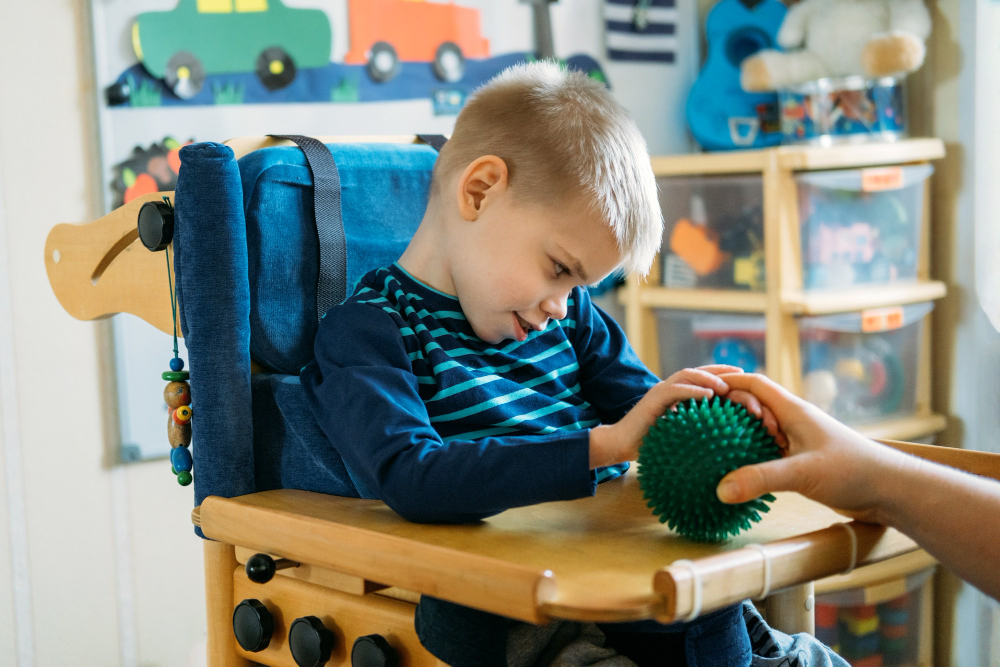
Some children cover their ears at the sound of a hand dryer. Others refuse to wear socks with seams. Some crash into furniture constantly, spin obsessively, or cannot tolerate the texture of certain foods. These are not behaviour problems or bad habits. They are often signs of sensory processing disorder. Sensory processing disorder (SPD) is a condition in which the brain has difficulty receiving and responding to sensory information. It is more common than many parents realise, and it significantly affects how a child functions at home, at school, and in social situations. This guide explains what sensory processing disorder is, how to recognise it in children, what causes it, and how sensory integration therapy helps. What Is Sensory Processing Disorder? The human sensory system processes input from seven senses, not just the five most people learn about. Beyond sight, hearing, smell, taste, and touch, the sensory system also includes: Proprioception: The sense of where the body is in space, which comes from muscles, joints, and tendons. Children who seek intense physical input, crash into things, or press very hard when writing are often seeking proprioceptive feedback. Vestibular: The sense of movement and balance, processed in the inner ear. Children who are fearful of movement, or conversely who spin and rock constantly, often have vestibular processing differences. In sensory processing disorder, the brain does not organise and interpret sensory input in the way it is supposed to. This can mean the child is oversensitive to input (sensory overresponsivity), undersensitive (sensory underresponsivity), or actively seeking specific types of input (sensory seeking). SPD is not a formal diagnosis in the DSM-5, but it is widely recognised by occupational therapists, developmental paediatricians, and researchers, and it responds well to targeted intervention. Signs of Sensory Processing Disorder in Children SPD presents differently depending on which senses are affected and whether the child is over or underresponsive. Common signs include: Signs of sensory overresponsivity Strong distress to unexpected touch, even light contact Refusal to wear certain clothing due to texture, tags, or seams Extreme reaction to everyday sounds such as hand dryers, blenders, or crowds Gagging or refusal of foods based on texture rather than taste Avoidance of messy play, sand, grass, or certain materials on hands and feet Distress in bright or flickering light Signs of sensory underresponsivity Appears not to notice pain, heat, or cold that would distress most children Does not respond when called or touched Low energy, slow to respond, appears passive in play Does not notice when face or hands are dirty Signs of sensory seeking Constantly touching objects and people Crashing into furniture, walls, or other people Excessive spinning, rocking, or jumping Mouthing objects beyond the age when this is typical Seeking very loud music or noise If several of these signs are present and are affecting your child’s daily functioning, it is worth seeking a professional assessment. The signs of SPD often overlap with other conditions, and many children have both SPD and another diagnosis such as autism. Our article on the importance of early identification of sensory processing challenges explains why early assessment matters. What Causes Sensory Processing Disorder? The exact cause of SPD is not fully understood. Research points to neurological differences in how the brain integrates sensory information. Several factors appear to increase the likelihood: Prematurity: Babies born before 33 weeks have a significantly higher rate of sensory processing difficulties, likely because sensory system development is interrupted. Genetic factors: SPD appears to run in families. Studies of twins show a strong genetic component. Co-occurring conditions: SPD is very commonly seen alongside autism spectrum disorder, ADHD, anxiety disorders, and developmental coordination disorder. This does not mean one causes the other, but the overlap is significant. Our autism page covers the relationship between autism and sensory processing in more detail. Early environmental factors: Some research suggests that limited sensory experiences in early infancy may affect sensory system development, though this is not conclusively established. How Sensory Integration Therapy Helps Sensory integration therapy, developed by occupational therapist Dr A. Jean Ayres, is the primary evidence-supported treatment for sensory processing disorder. It is delivered by a trained occupational therapist in a specially equipped environment. The therapy works by providing the child with carefully graded sensory experiences that challenge the nervous system to process input more effectively. Over time, the brain becomes better at organising sensory information, which reduces the child’s over or underresponsivity. What a sensory integration therapy session looks like Sessions take place in a sensory room equipped with swings, crash pads, textured surfaces, tunnels, and other equipment. The child appears to be playing, but the activities are carefully selected and graded by the therapist to target specific sensory systems. The child leads the play. The therapist follows the child’s natural drive for specific sensory experiences, “just right challenge”, and uses these moments to help the nervous system process input more adaptively. Our sensory integration therapy programme in Ahmedabad uses this approach. For more on how sensory therapy supports everyday functioning, read our article on how sensory integration therapy supports daily skills in children. What improves with sensory integration therapy Tolerance of clothing, textures, and touch Ability to manage noisy or busy environments Attention and self-regulation during learning activities Participation in meals with a wider range of food textures Reduced meltdowns triggered by sensory overload Physical confidence and body awareness The Sensory Diet: Supporting Children at Home A sensory diet is a personalised schedule of sensory activities spread through the day to help a child maintain a regulated state. It is not about food. It is about giving the nervous system the right type and amount of input at the right times. A sensory diet is built by the occupational therapist based on the child’s specific sensory profile. It might include heavy work activities in the morning, a calming routine after school, and specific strategies for transitions or challenging moments. For ideas on sensory activities families can do at home, our article on occupational therapy at home
sensory processing challenges
Sensory Integration Therapy

The Importance of Early Identification of Sensory Processing Challenges

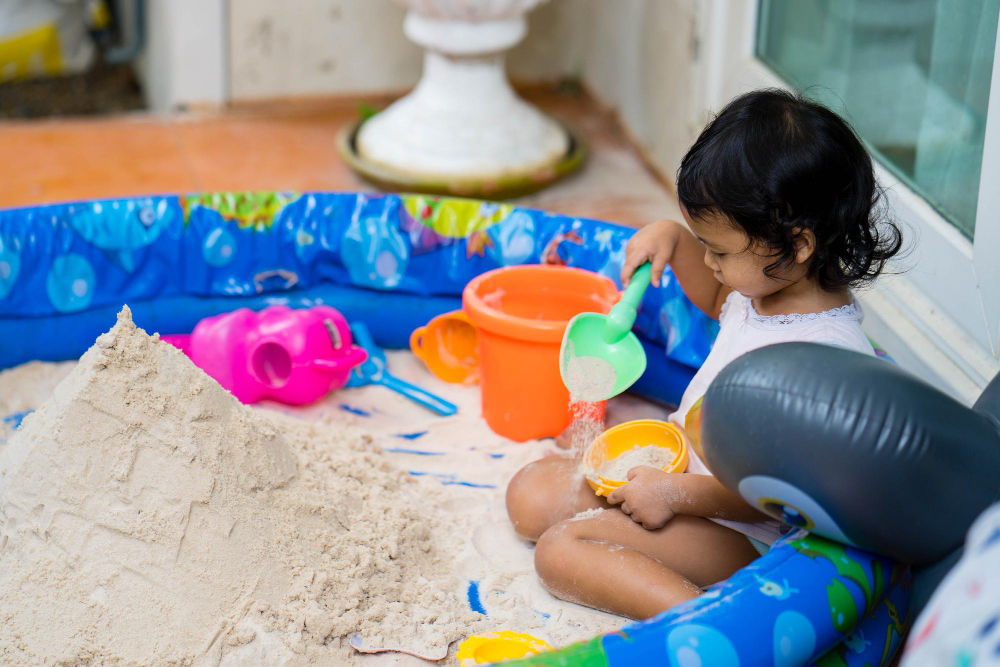
Every child interacts with their surroundings through their senses—touch, taste, sight, smell, sound, movement, and body awareness. For most children, these sensory experiences blend smoothly, helping them learn, explore, and make sense of their environment. However, for some children, sensory information may feel too intense, too unpredictable, or too weak to notice. These differences, known as sensory processing challenges, can affect a child’s comfort, behaviour, learning, and participation in everyday activities. Parents might notice that their child reacts strongly to routine sensations like loud noises or unfamiliar textures. Others may seem constantly active, always jumping, spinning, or seeking stronger movement. While these behaviours may seem confusing at first, they often reflect how the child’s nervous system is interpreting sensory input. Identifying these signs early can help parents understand their child’s experiences and support them effectively. Early recognition makes a significant difference in a child’s long-term emotional, physical, and social development. What Are Sensory Processing Challenges? Sensory processing refers to the brain’s ability to receive, interpret, and respond to sensory signals from the environment. When this process does not happen smoothly, a child may either overreact or underreact to sensory input. Sensory challenges generally fall into three main categories: 1. Over-Responsiveness Children may become overwhelmed by sensations that feel ordinary to others. They may: Cover Their Ears During Normal Sounds Avoid Certain Clothing Fabrics Refuse Messy Play Become Anxious in Crowded Environments 2. Under-Responsiveness Some children may not register sensory signals easily. They may: Seems Unaware of Pain or Temperature Appear Passive or Slow to Respond Lack of Awareness of Surroundings 3. Sensory Seeking Behaviours These children actively search for more sensory input. They may: Jump, Crash, Spin, or Climb Constantly Touch Everything Around Them Make Loud Sounds or Enjoy Rough Play Understanding which category your child fits into helps identify what they need to feel regulated and comfortable. Early Signs Parents Should Look For Children with sensory processing challenges often show early signs during infancy, toddlerhood, or preschool years. While every child is different, here are some common patterns: Behavioural Signs Meltdowns in noisy or visually busy environments Strong reactions to grooming (haircuts, nail trimming, face washing) Difficulty settling down or winding down Avoiding physical closeness or seeking excessive hugs and pressure Movement and Coordination Signs Poor balance or frequent tripping Fear of swings, slides, or climbing Constant need for movement (jumping, running, spinning) Daily Routine Signs Difficulty with dressing due to texture sensitivity Avoiding tooth brushing or bathing Trouble sitting for mealtimes Resistance to new environments Social Signs Difficulty joining group play Becoming overwhelmed during celebrations or crowded spaces Preferring predictable and quiet activities These signs are meaningful when they occur consistently over time and begin affecting the child’s daily comfort or learning experiences. How Sensory Challenges Impact Daily Life Sensory differences influence more than just comfort—they also affect emotional, behavioural, and academic development. 1. Home Activities May Feel Overwhelming Simple routines—like bathing, brushing teeth, dressing, or wearing socks—can become difficult if the child’s sensory system is oversensitive or under-responsive. 2. Learning Can Become More Challenging Children may struggle to focus, follow instructions, write neatly, or sit through class activities because sensory distraction or discomfort interferes with learning. 3. Social Participation May Be Affected Loud birthday parties, group games, or unfamiliar environments may cause strong reactions, leading the child to withdraw or avoid gatherings. 4. Emotional Regulation Becomes Harder Sensory overload often results in: Frustration Irritability Crying or Anger Difficulty Calming Down These behaviours are not intentional; they reflect how overwhelming certain sensations feel internally. Why Early Identification Is Important Early identification of sensory processing challenges can have a significant impact on a child’s long-term development. The earlier parents recognise the signs, the sooner children can learn strategies to manage their sensory needs. 1. Helps Children Develop Coping Skills Early When support begins early, children learn ways to regulate their emotions, manage sensory triggers, and adapt to daily activities more smoothly. 2. Reduces Behavioural and Emotional Stress Without understanding, sensory issues may be mistaken for misbehaviour. Early identification helps parents respond with empathy and appropriate strategies. 3. Improves Social Confidence Children who understand their own sensory needs find it easier to participate in group activities, school routines, and social interactions. 4. Supports Academic Progress With improved focus and comfort in the classroom, children are better equipped to learn, follow instructions, and participate in structured tasks. 5. Strengthens Family Routines Parents can modify routines to better support their child’s sensory needs, creating smoother mornings, calmer meals, and easier transitions. Overall, early identification lays the foundation for healthy child sensory development. The Role of Sensory Integration Therapy One of the most recognised approaches to helping children with sensory processing challenges is sensory integration therapy. This therapy helps the brain learn to organise and interpret sensory information more effectively. Therapists create a carefully planned environment that includes activities like: Swinging and Spinning Jumping and Deep Pressure Exercises Obstacle Courses Tactile Exploration with Sand, Foam, Clay, or Textured Materials Balance and Movement Tasks These activities are enjoyable for children, yet each one serves a developmental purpose. Over time, they help reduce sensory overload and increase tolerance for various sensations. Parents looking for support can explore centres offering sensory integration therapy in Ahmedabad, which provide structured assessment and intervention. How Parents Can Support Sensory Development at Home Small adjustments in daily life can make a big difference: 1. Create Calm Spaces A quiet corner with soft lighting, cushions, or a sensory tent helps children relax when overwhelmed. 2. Include Movement Breaks Short breaks during homework or study time help children refocus and regulate their bodies. 3. Offer Safe Sensory Play Activities like water play, clay, kinetic sand, or textured toys help children explore sensations at their own pace. 4. Maintain Predictable Routines Clear routines and visual schedules reduce stress related to transitions. 5. Work Closely With Therapists Parents can follow home plans and communicate regularly with professionals to ensure consistent progress. Conclusion Sensory processing challenges can influence how children behave, learn, and respond

Scroll to Top