




Every child interacts with their surroundings through their senses—touch, taste, sight, smell, sound, movement, and body awareness. For most children, these sensory experiences blend smoothly, helping them learn, explore, and make sense of their environment. However, for some children, sensory information may feel too intense, too unpredictable, or too weak to notice. These differences, known as sensory processing challenges, can affect a child’s comfort, behaviour, learning, and participation in everyday activities.
Parents might notice that their child reacts strongly to routine sensations like loud noises or unfamiliar textures. Others may seem constantly active, always jumping, spinning, or seeking stronger movement. While these behaviours may seem confusing at first, they often reflect how the child’s nervous system is interpreting sensory input.
Identifying these signs early can help parents understand their child’s experiences and support them effectively. Early recognition makes a significant difference in a child’s long-term emotional, physical, and social development.
What Are Sensory Processing Challenges?
Sensory processing refers to the brain’s ability to receive, interpret, and respond to sensory signals from the environment. When this process does not happen smoothly, a child may either overreact or underreact to sensory input.
Sensory challenges generally fall into three main categories:
1. Over-Responsiveness
Children may become overwhelmed by sensations that feel ordinary to others. They may:
- Cover Their Ears During Normal Sounds
- Avoid Certain Clothing Fabrics
- Refuse Messy Play
- Become Anxious in Crowded Environments
2. Under-Responsiveness
Some children may not register sensory signals easily. They may:
- Seems Unaware of Pain or Temperature
- Appear Passive or Slow to Respond
- Lack of Awareness of Surroundings
3. Sensory Seeking Behaviours
These children actively search for more sensory input. They may:
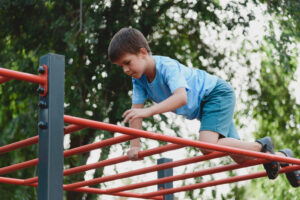
- Jump, Crash, Spin, or Climb Constantly
- Touch Everything Around Them
- Make Loud Sounds or Enjoy Rough Play
Understanding which category your child fits into helps identify what they need to feel regulated and comfortable.
Early Signs Parents Should Look For
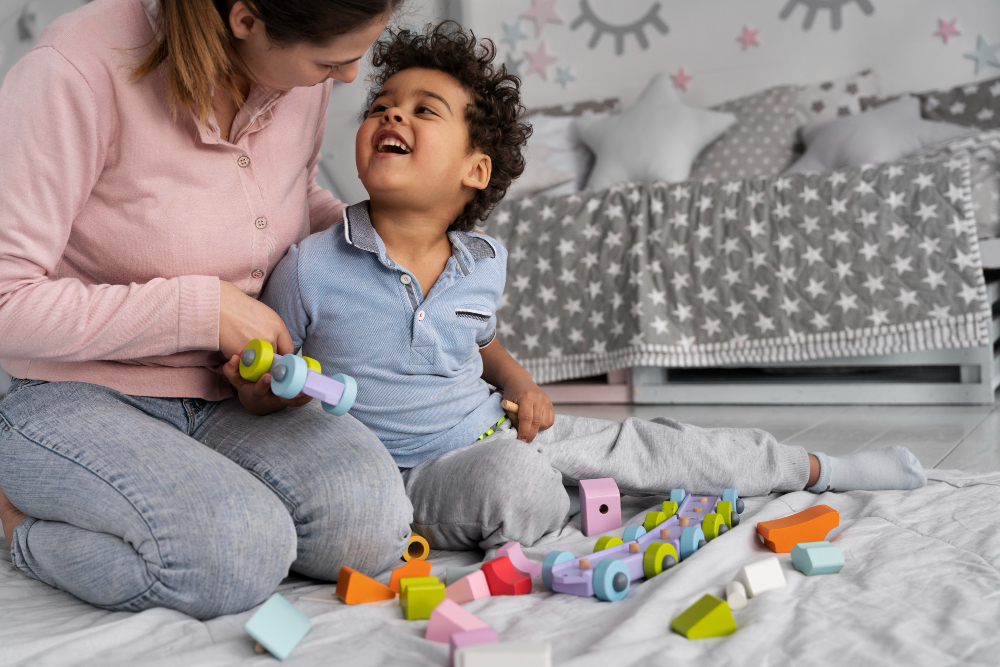
Children with sensory processing challenges often show early signs during infancy, toddlerhood, or preschool years. While every child is different, here are some common patterns:
Behavioural Signs
- Meltdowns in noisy or visually busy environments
- Strong reactions to grooming (haircuts, nail trimming, face washing)
- Difficulty settling down or winding down
- Avoiding physical closeness or seeking excessive hugs and pressure
Movement and Coordination Signs
- Poor balance or frequent tripping
- Fear of swings, slides, or climbing
- Constant need for movement (jumping, running, spinning)
Daily Routine Signs
- Difficulty with dressing due to texture sensitivity
- Avoiding tooth brushing or bathing
- Trouble sitting for mealtimes
- Resistance to new environments
Social Signs
- Difficulty joining group play
- Becoming overwhelmed during celebrations or crowded spaces
- Preferring predictable and quiet activities
These signs are meaningful when they occur consistently over time and begin affecting the child’s daily comfort or learning experiences.
How Sensory Challenges Impact Daily Life
Sensory differences influence more than just comfort—they also affect emotional, behavioural, and academic development.
1. Home Activities May Feel Overwhelming
Simple routines—like bathing, brushing teeth, dressing, or wearing socks—can become difficult if the child’s sensory system is oversensitive or under-responsive.
2. Learning Can Become More Challenging
Children may struggle to focus, follow instructions, write neatly, or sit through class activities because sensory distraction or discomfort interferes with learning.
3. Social Participation May Be Affected
Loud birthday parties, group games, or unfamiliar environments may cause strong reactions, leading the child to withdraw or avoid gatherings.
4. Emotional Regulation Becomes Harder
Sensory overload often results in:
- Frustration
- Irritability
- Crying or Anger
- Difficulty Calming Down
These behaviours are not intentional; they reflect how overwhelming certain sensations feel internally.
Why Early Identification Is Important
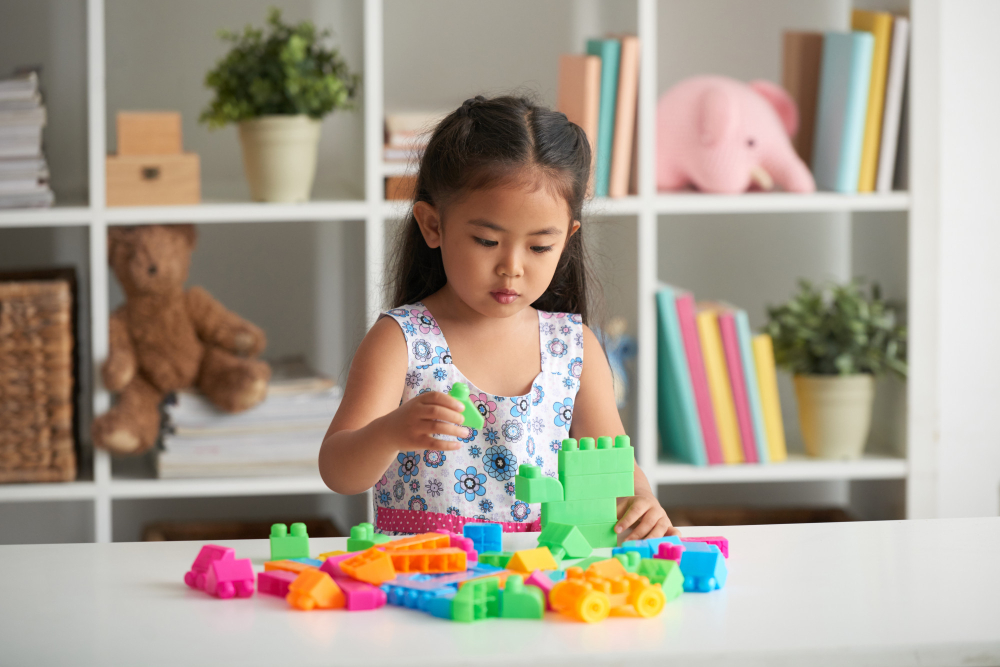
Early identification of sensory processing challenges can have a significant impact on a child’s long-term development. The earlier parents recognise the signs, the sooner children can learn strategies to manage their sensory needs.
1. Helps Children Develop Coping Skills Early
When support begins early, children learn ways to regulate their emotions, manage sensory triggers, and adapt to daily activities more smoothly.
2. Reduces Behavioural and Emotional Stress
Without understanding, sensory issues may be mistaken for misbehaviour. Early identification helps parents respond with empathy and appropriate strategies.
3. Improves Social Confidence
Children who understand their own sensory needs find it easier to participate in group activities, school routines, and social interactions.
4. Supports Academic Progress
With improved focus and comfort in the classroom, children are better equipped to learn, follow instructions, and participate in structured tasks.
5. Strengthens Family Routines
Parents can modify routines to better support their child’s sensory needs, creating smoother mornings, calmer meals, and easier transitions.
Overall, early identification lays the foundation for healthy child sensory development.
The Role of Sensory Integration Therapy
One of the most recognised approaches to helping children with sensory processing challenges is sensory integration therapy. This therapy helps the brain learn to organise and interpret sensory information more effectively.
Therapists create a carefully planned environment that includes activities like:
- Swinging and Spinning
- Jumping and Deep Pressure Exercises
- Obstacle Courses
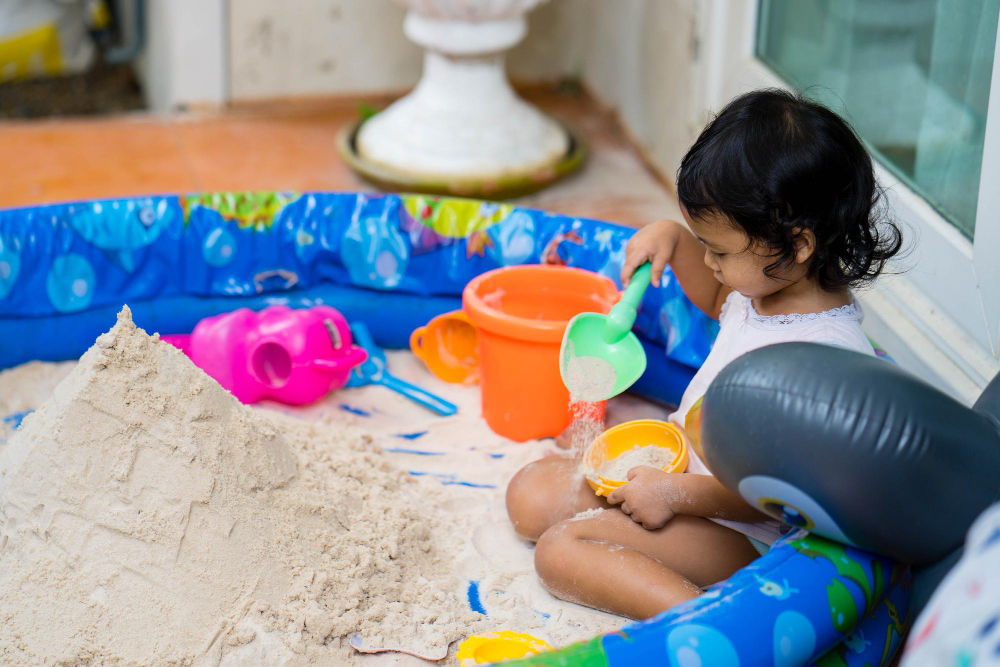
- Tactile Exploration with Sand, Foam, Clay, or Textured Materials
- Balance and Movement Tasks
These activities are enjoyable for children, yet each one serves a developmental purpose. Over time, they help reduce sensory overload and increase tolerance for various sensations.
Parents looking for support can explore centres offering sensory integration therapy in Ahmedabad, which provide structured assessment and intervention.
How Parents Can Support Sensory Development at Home
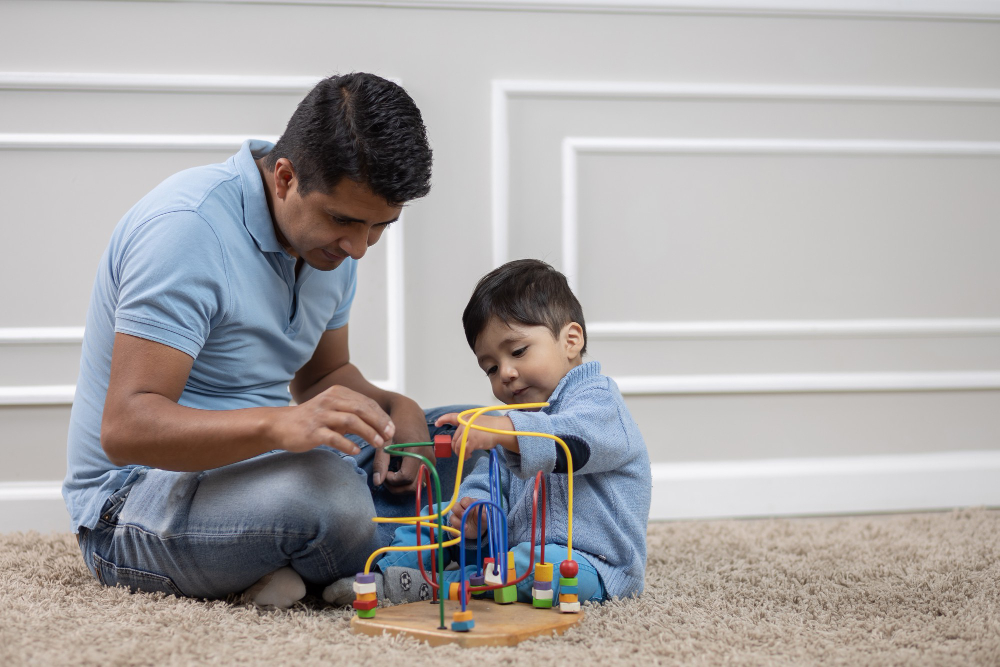
Small adjustments in daily life can make a big difference:
1. Create Calm Spaces
A quiet corner with soft lighting, cushions, or a sensory tent helps children relax when overwhelmed.
2. Include Movement Breaks
Short breaks during homework or study time help children refocus and regulate their bodies.
3. Offer Safe Sensory Play
Activities like water play, clay, kinetic sand, or textured toys help children explore sensations at their own pace.
4. Maintain Predictable Routines
Clear routines and visual schedules reduce stress related to transitions.
5. Work Closely With Therapists
Parents can follow home plans and communicate regularly with professionals to ensure consistent progress.
Conclusion
Sensory processing challenges can influence how children behave, learn, and respond to everyday environments. Recognising these signs early gives parents a better understanding of their child’s needs and helps them create supportive routines at home. Early identification also allows children to learn coping strategies that reduce frustration and improve confidence in social, academic, and daily activities.
With timely guidance, understanding, and appropriate sensory activities, children can learn to manage their challenges and participate more comfortably in the world around them.
If you have noticed early signs of sensory processing challenges, professional guidance can help you understand your child’s needs more clearly. Contact 7 Senses Pediatric Rehabilitation Center for sensory assessments and expert support.