



Early childhood is a critical period in a child’s development. During the first few years of life, the brain develops rapidly, forming the foundation for movement, communication, learning, behaviour, and emotional regulation. When developmental challenges are identified and supported early, children have a significantly better chance of developing strong functional skills and achieving long-term independence.
Occupational therapy plays a vital role in early childhood intervention by supporting children who may be experiencing delays or difficulties in everyday activities. Rather than focusing solely on diagnoses, occupational therapy examines how a child functions in daily life and provides structured support to help them participate more comfortably and confidently.
This article explains the role of occupational therapy in early childhood intervention, how it supports development, and why early support makes a meaningful difference for children and families.
Understanding Early Childhood Intervention
Early childhood intervention refers to services and supports provided to young children who show signs of developmental delay or difficulty. These services are designed to address challenges as early as possible, during a time when the brain is most adaptable.
Intervention during early childhood focuses on building foundational skills that support future learning and independence. These skills include movement, coordination, attention, emotional regulation, self-care, play, and social interaction.
Early childhood intervention is not only for children with diagnosed conditions. Many children benefit from early support even without a formal diagnosis, especially when developmental concerns are identified by parents, caregivers, or teachers.
What Occupational Therapy Means in Early Childhood
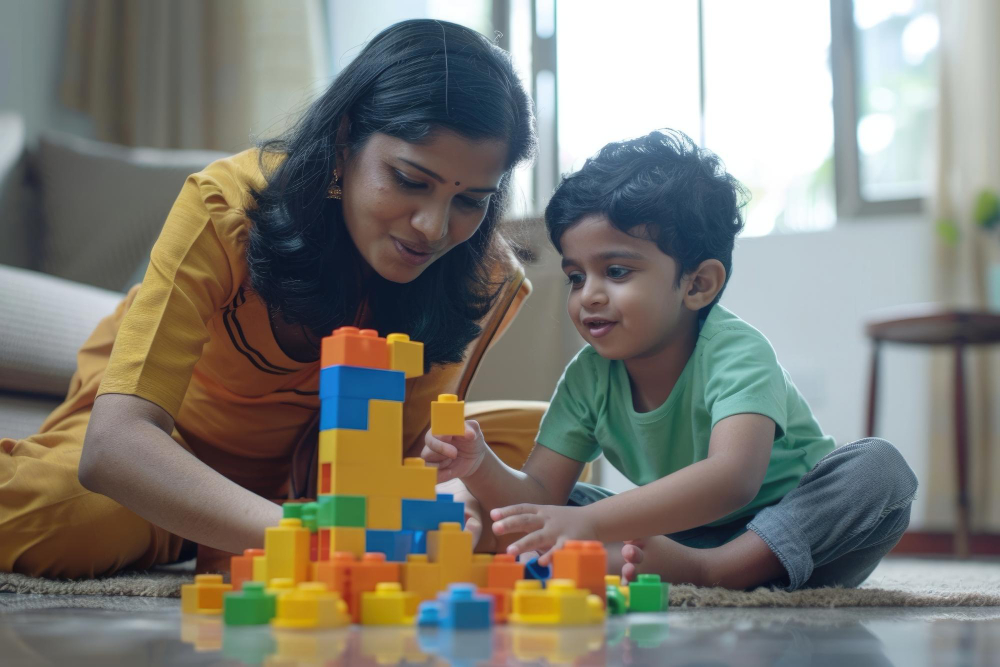
Occupational therapy in early childhood focuses on helping children participate in meaningful daily activities. These activities include playing, learning, self-care, and interacting with others.
Occupational therapists assess how a child moves, plays, responds to sensory input, manages emotions, and performs age-appropriate tasks. Based on this understanding, therapy plans are created to support development in a holistic way.
The goal of occupational therapy is not to change who a child is, but to support their ability to function independently and confidently within their environment.
Why Occupational Therapy Is Important in Early Intervention
The early years are when children develop core skills that influence later learning and behaviour. When challenges are addressed early, children are more likely to build effective coping strategies and functional skills.
Occupational therapy supports early intervention by:
- Identifying developmental gaps early
- Supporting skill development before challenges increase
- Preventing secondary issues such as frustration or low confidence
- Encouraging positive participation in daily routines
Early occupational therapy focuses on strengthening abilities rather than correcting problems after they become more complex.
Supporting Motor Development Through Occupational Therapy
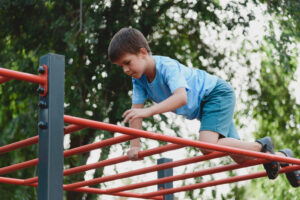
Motor development is a key focus in early childhood occupational therapy. This includes both fine motor skills and gross motor coordination.
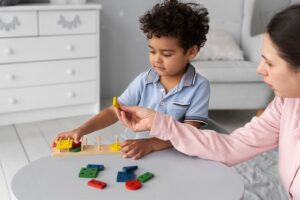
Children may struggle with tasks such as holding objects, using utensils, stacking blocks, or coordinating movements. Occupational therapy supports these skills through structured, play-based activities that improve strength, coordination, and control.
Improved motor skills help children participate more independently in play, learning, and self-care routines.
Sensory Integration and Regulation in Early Childhood

Many young children experience difficulty processing sensory information. Sensory challenges may affect how a child responds to touch, sound, movement, or visual input.
Occupational therapy in early intervention often includes sensory integration strategies. These strategies help children process sensory input in a more organized way, leading to better regulation, focus, and comfort.
When sensory regulation improves, children are better able to engage in play, follow routines, and manage emotions.
Building Daily Living Skills at an Early Age
Daily living skills, also known as self-care skills, are an important part of early childhood development. These include feeding, dressing, grooming, and toileting.
Occupational therapy supports children in developing these skills by breaking tasks into manageable steps and adapting strategies to the child’s abilities.
Early support helps children become more independent over time, reducing reliance on caregivers and building confidence.
Supporting Play and Social Interaction
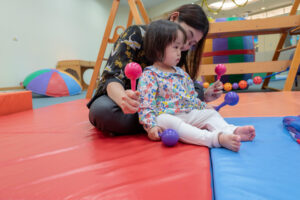
Play is a primary way children learn and develop social skills. Occupational therapy uses play as a tool to support interaction, communication, and problem-solving.
Through guided play, children learn to:
- Take turns
- Share and cooperate
- Follow simple rules
- Engage with peers
Occupational therapy helps children who struggle with play due to motor, sensory, or emotional challenges participate more meaningfully in social activities.
Emotional Regulation and Behaviour Support
Young children often express difficulty through behaviour when they cannot communicate or regulate emotions effectively. Occupational therapy helps identify the underlying causes of emotional or behavioural challenges.
Therapy supports emotional regulation by helping children:
- Recognize sensory or emotional triggers
- Develop calming strategies
- Transition between activities more smoothly
- Respond to frustration in adaptive ways
Early support reduces stress for both children and families.
Supporting School Readiness Through Early Occupational Therapy
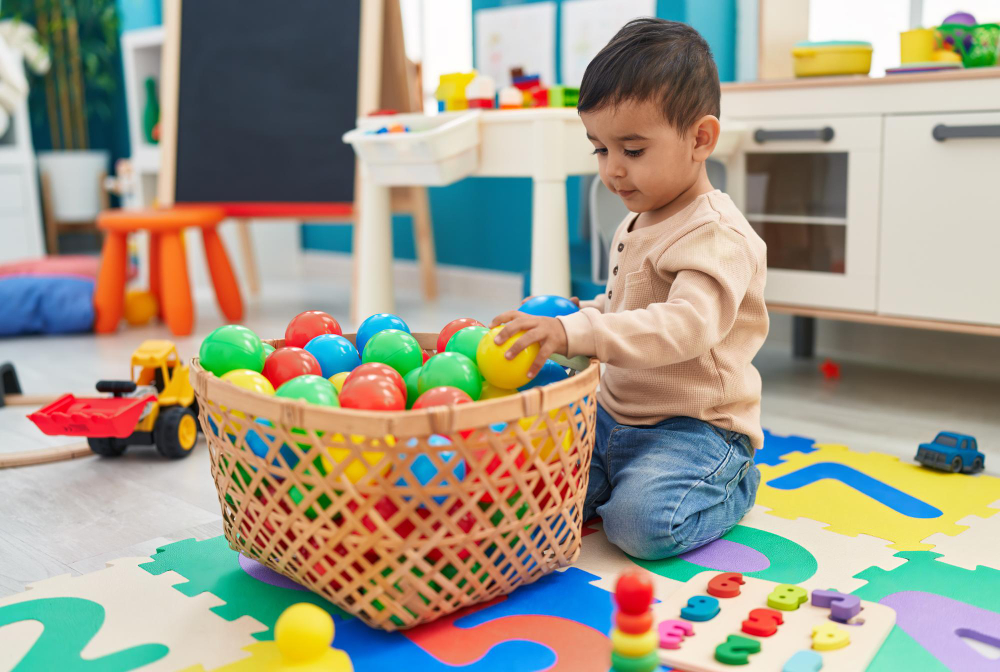
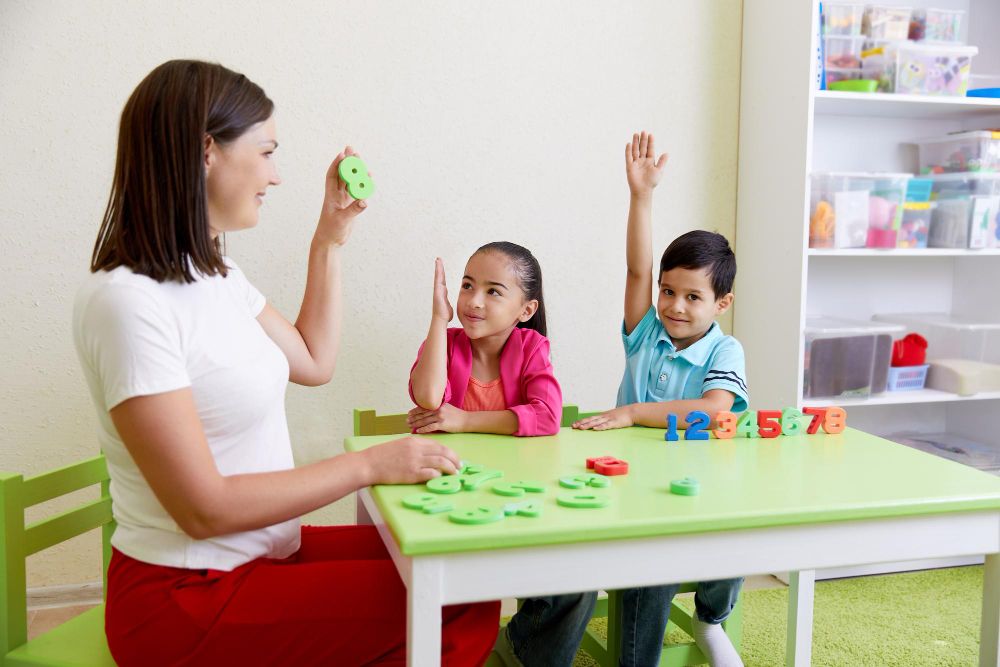
Early childhood occupational therapy plays an important role in preparing children for structured learning environments. School readiness involves more than academic skills.
Occupational therapy supports school readiness by improving:
- Attention and focus
- Ability to follow instructions
- Sitting tolerance
- Fine motor readiness for writing
- Emotional regulation in group settings
Children who receive early occupational therapy often transition more smoothly into preschool and school environments.
The Role of Parents in Early Intervention
Parents are an essential part of early childhood intervention. Occupational therapists work closely with families to ensure strategies are carried over into daily routines.
Parents may receive guidance on:
- Creating supportive home routines
- Encouraging independence
- Managing sensory challenges
- Supporting emotional regulation
- Adapting activities to the child’s needs
When parents and therapists work together, progress is more consistent and meaningful.
Why Early Occupational Therapy Makes a Long-Term Difference
Early occupational therapy does more than address immediate challenges. It helps build a foundation for lifelong learning, independence, and emotional well-being.
Children who receive early intervention are more likely to:
- Develop stronger functional skills
- Build confidence and resilience
- Participate successfully in school
- Manage sensory and emotional challenges
- Develop independence in daily life
Addressing challenges early reduces the need for more intensive intervention later.
When Parents Should Consider Occupational Therapy
Parents may consider occupational therapy as part of early childhood intervention if their child:
- Is delayed in reaching developmental milestones
- Struggles with daily routines
- Has difficulty regulating emotions
- Shows sensory sensitivities or seeking behaviours
- Avoids play or interaction
- Appears frustrated or overwhelmed easily
Early assessment helps identify the most appropriate support plan.
Conclusion
In Ahmedabad, families looking for early childhood occupational therapy can benefit from child-focused intervention and personalized support at the 7 Senses Pediatric Rehabilitation Center.
Occupational therapy during early childhood helps children build essential skills that support comfort, confidence, and independence in everyday life.