



Speech is one of the first tools children use to connect with the world. Through words, sounds, and gestures, children express needs, emotions, and ideas. But speech is not just about talking clearly. It plays a powerful role in how children interact with others, form friendships, and feel confident in social settings.
Speech therapy for social skills development goes beyond pronunciation and vocabulary. It supports children in understanding social cues, taking turns in conversation, expressing emotions appropriately, and building meaningful relationships. When communication improves, social confidence often follows.
For children with speech delays or communication difficulties, social interactions can feel overwhelming. Understanding the role of speech therapy in supporting social skills helps parents recognize why early support is so important.
Understanding the Connection Between Speech and Social Skills
Speech and social skills develop together. A child who can communicate effectively is more likely to participate in conversations, play cooperatively, and build friendships. On the other hand, when speech is unclear or delayed, social interaction often becomes challenging.
Communication helps children:
- Express thoughts and feelings
- Ask for help
- Join play and group activities
- Respond to others
- Resolve conflicts
When children struggle to communicate, they may withdraw, act out, or rely on behavior instead of words. Speech therapy helps bridge this gap by strengthening both communication and social interaction skills.
What Is Speech Therapy for Children?
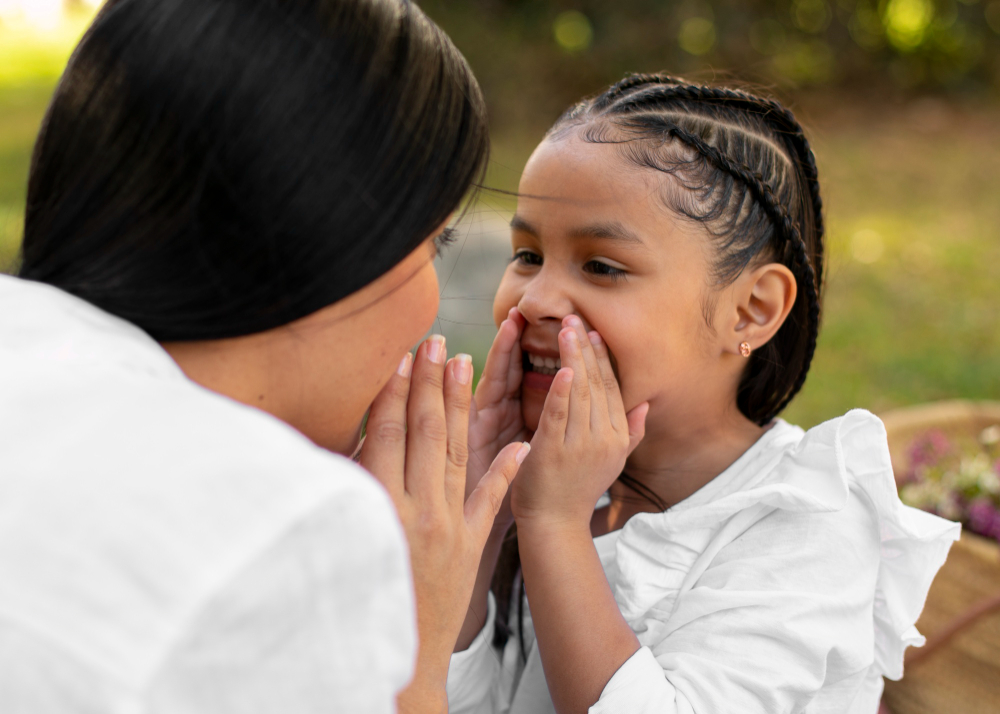
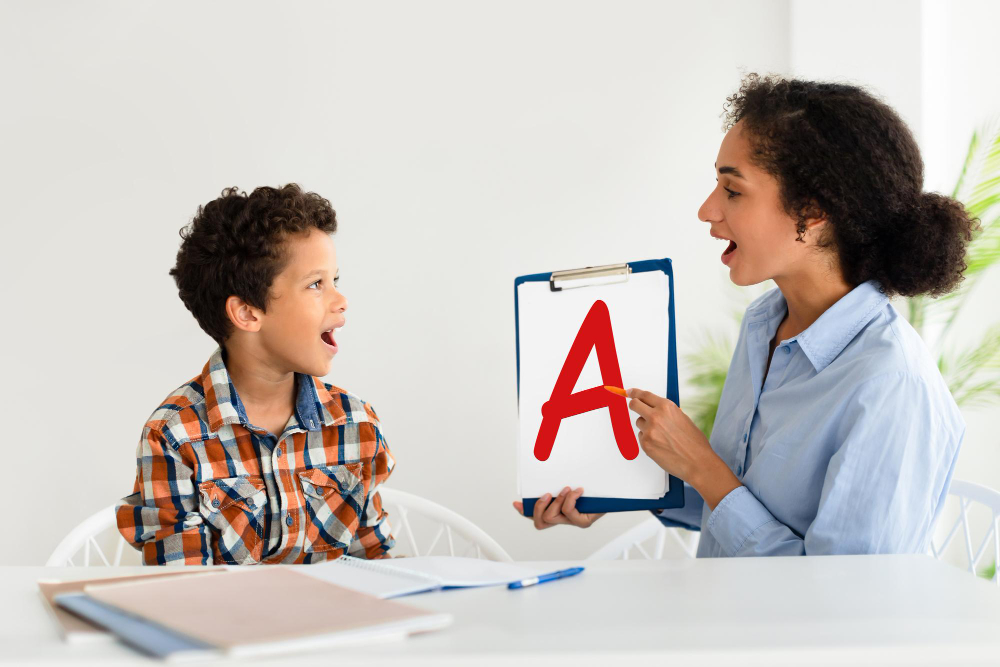
Speech therapy for children focuses on improving communication skills in a way that supports everyday interactions. Therapy is play-based, engaging, and adapted to the child’s age and developmental level.
Speech therapy may support:
- Speech clarity and sound production
- Vocabulary and sentence formation
- Understanding language
- Conversation skills
- Expressing emotions and ideas
When therapy includes a social focus, it helps children apply communication skills in real-life situations, not just structured exercises.
Why Social Skills Development Matters in Early Childhood
Social skills development is essential for a child’s emotional well-being and learning. Children use social skills to navigate friendships, classroom routines, and family interactions.
Strong social skills help children:
- Build healthy peer relationships
- Participate confidently in school
- Develop emotional regulation
- Improve self-esteem
- Adapt to new environments
Speech therapy plays a key role in building these skills by supporting effective communication.
How Speech Delays Can Affect Social Skills
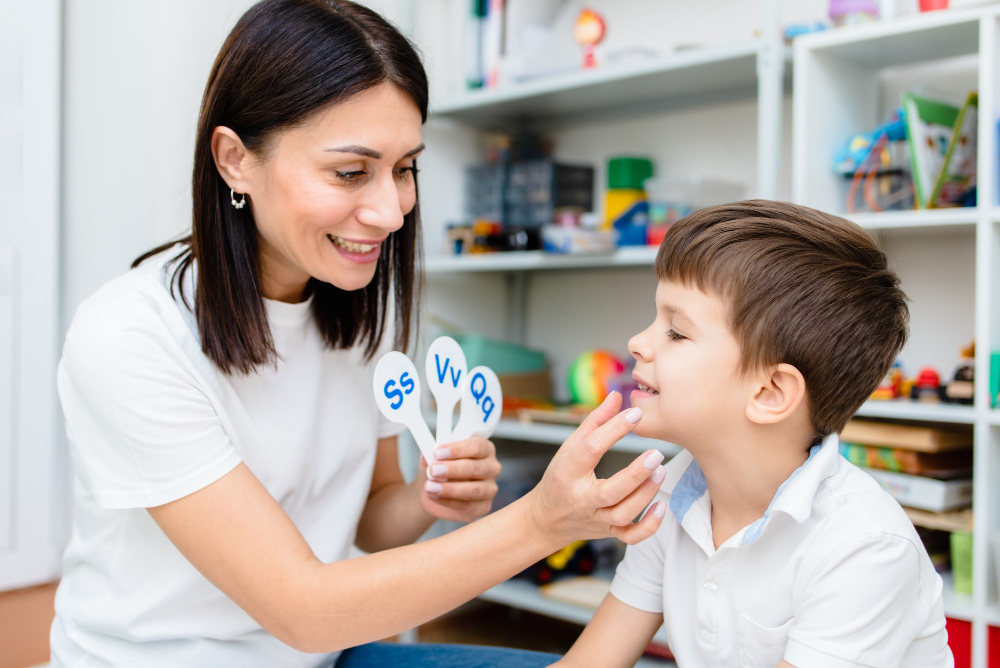
Difficulty Expressing Needs and Feelings
Children with speech delays may know what they want to say but struggle to express it clearly. This can lead to frustration, emotional outbursts, or withdrawal from interaction.
Challenges in Conversation and Turn-Taking
Social interaction requires listening, responding, and waiting for one’s turn. Speech difficulties can make it hard for children to follow conversations or contribute appropriately.
Reduced Confidence in Peer Interaction
When children feel they are not understood, they may avoid group play or social situations altogether. Over time, this can affect confidence and social development.
The Role of Speech Therapy in Supporting Social Skills Development
Speech therapy supports social skills development by helping children communicate more effectively in everyday situations.
Building Functional Communication
Speech therapy helps children use language purposefully. This includes asking questions, sharing ideas, and responding appropriately in conversation.
Improving Listening and Understanding
Understanding what others say is just as important as speaking. Therapy supports receptive language skills, which help children follow instructions and respond socially.
Encouraging Turn-Taking and Conversation Flow
Through structured play and interaction, children learn how conversations work. This includes waiting, responding, and staying on topic.
Understanding Social Cues
Speech therapy also supports understanding facial expressions, tone of voice, and body language. These skills are essential for successful social interaction.
Speech Therapy Activities That Promote Socialization
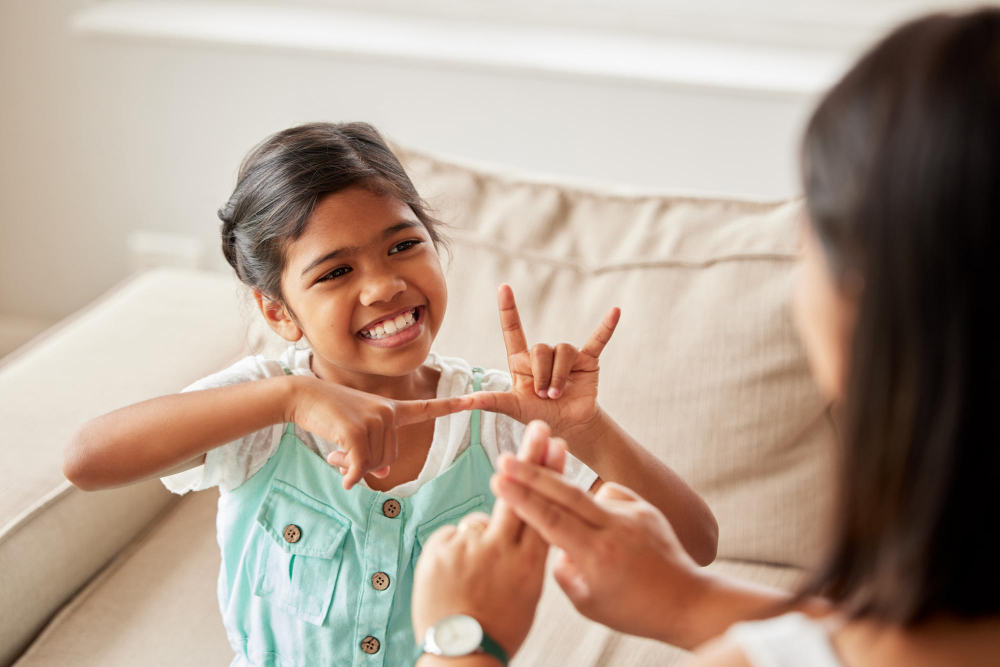
Speech therapy sessions often include activities designed to encourage interaction and communication, such as:
- Role-play and pretend play
- Group games that require communication
- Storytelling and picture description
- Turn-taking games
- Emotion-based conversations
These activities help children practice social communication in a safe, supportive environment.
Importance of Early Speech Therapy for Social Development
Early childhood is a critical period for language and social learning. The earlier speech therapy begins, the easier it is for children to develop strong communication and social skills.
Early intervention helps:
- Reduce frustration and behavioral challenges
- Improve school readiness
- Build social confidence
- Strengthen emotional regulation
Waiting too long can make social difficulties more persistent and harder to address later.
Role of Parents in Supporting Speech and Social Skills
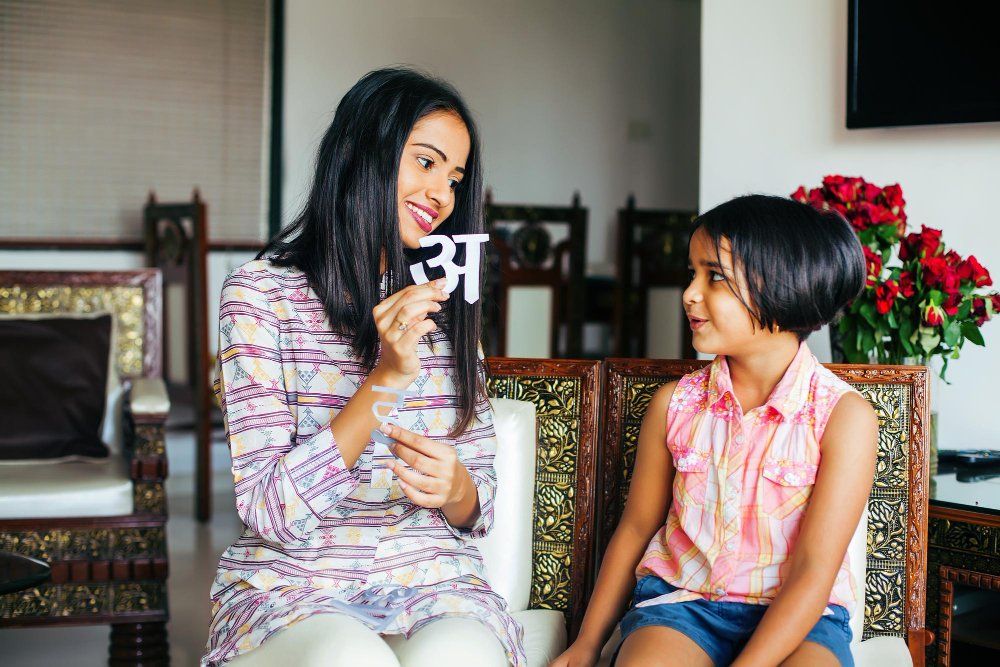
Parents play a vital role in reinforcing speech therapy goals at home.
Parents can support development by:
- Encouraging conversation throughout the day
- Giving children time to respond
- Modeling clear and calm speech
- Praising communication efforts
- Creating opportunities for social interaction
When parents and therapists work together, children show stronger and more consistent progress.
Long-Term Benefits of Speech Therapy for Social Skills
Children who receive speech therapy focused on social skills development are more likely to:
- Build meaningful friendships
- Communicate confidently
- Express emotions effectively
- Adapt well to school environments
- Develop long-term self-esteem
Speech therapy supports not just communication, but connection and confidence.
FAQs
Q1. Can speech therapy really help with social skills?
Yes. Speech therapy improves communication, which directly supports social interaction and confidence.
Q2. At what age should speech therapy start?
Speech therapy can begin in early childhood when communication concerns are noticed.
Q3. Does speech delay always affect socialization?
Not always, but many children with speech delays experience social challenges without support.
Q4. How long does speech therapy take to improve social skills?
Progress varies, but consistent therapy and home support lead to steady improvement.
Q5. Can parents support speech therapy goals at home?
Yes. Daily communication and interaction are essential for progress.
Conclusion
Speech therapy plays a powerful role in supporting social skills development. By strengthening communication, therapy helps children express themselves, connect with others, and participate confidently in social environments.
When speech challenges are addressed early, children gain the tools they need to build relationships, manage emotions, and succeed socially and academically.
If your child is finding it difficult to communicate or connect with others, early guidance can make a lasting difference. Families looking for speech therapy and social skills support can benefit from personalized, child-focused care.
If you are searching for speech therapy for children in Ahmedabad, 7 Senses Pediatric Rehabilitation Center offers comprehensive support for communication and social development.