




Every child develops at their own pace, but sometimes small challenges with coordination, handwriting, dressing, attention, or play may indicate deeper underlying difficulties. Pediatric occupational therapy focuses on helping children build the sensory, motor, and cognitive skills they need to participate confidently in daily routines at home, school, and in social settings.
While occasional clumsiness or frustration is normal for young children, persistent difficulties may suggest that they need additional support to strengthen essential developmental skills. Understanding these signs early can help parents identify when an assessment may be helpful.
What Pediatric Occupational Therapy Focuses On
Pediatric occupational therapy plays an important role in supporting children across several areas of development:
1. Fine Motor Skills Development
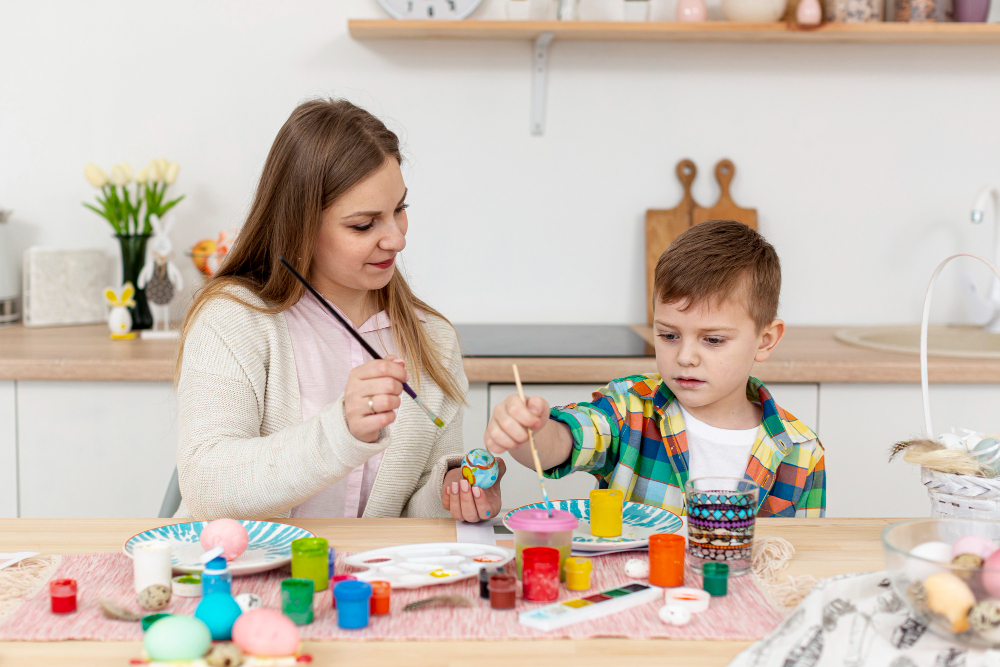
Many children struggle with tasks requiring precise hand movements. A fine motor skills delay may show up in activities like writing, using scissors, tying shoelaces, buttoning clothes, or grasping small objects. OT helps strengthen these skills through structured play and hand exercises.
2. Sensory Processing Abilities
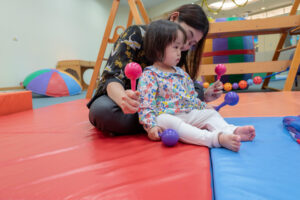
Children may find certain sounds, textures, tastes, or movements overwhelming or uncomfortable. Some may seek constant movement, crash into objects, or avoid touch. Occupational therapy helps children regulate their sensory responses and feel more comfortable in everyday situations.
3. Self-Care and Daily Independence
Simple tasks like brushing teeth, zipping a jacket, or organising school materials can be difficult for some children. OT helps them learn step-by-step strategies for increasing independence.
4. Behaviour, Focus, and Emotional Regulation
Some children struggle to follow routines, maintain attention in class, or manage frustration. OT supports emotional regulation and improves coping skills.
Top Signs Your Child May Need Pediatric Occupational Therapy
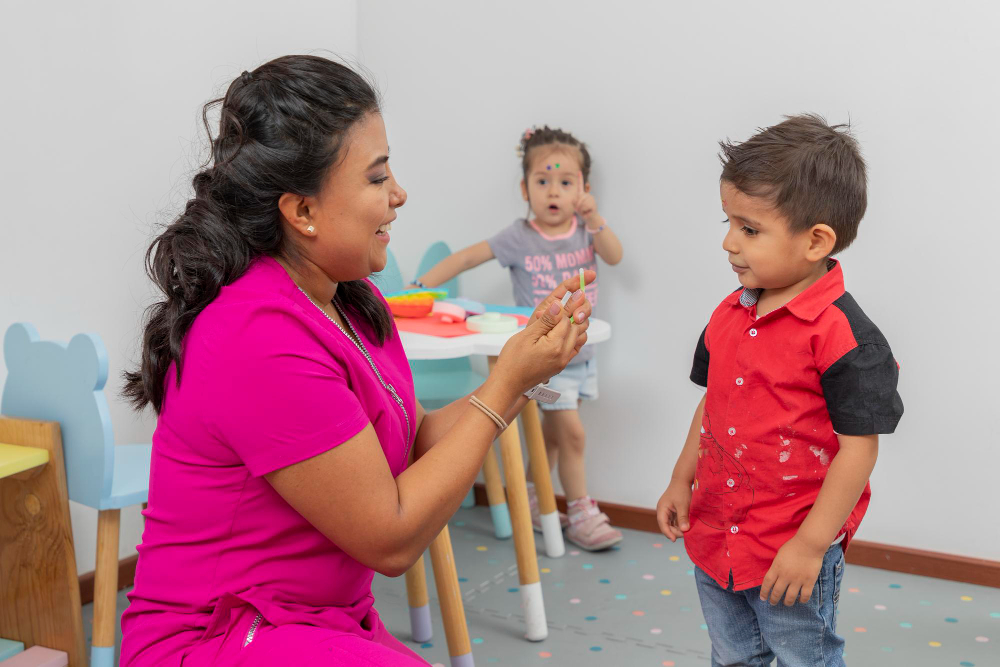
Below are the most common red flags parents often notice at home or school.
1. Difficulty With Fine Motor Tasks
If your child consistently avoids or struggles with tasks like:
- Holding a pencil correctly
- Writing letters clearly
- Using utensils
- Opening lunch boxes
- Buttoning or zipping clothes
This could indicate a fine motor skills delay. These skills are essential for independent functioning and school readiness.
2. Challenges With Handwriting
Handwriting difficulties may include:
- Very slow writing
- Inconsistent pressure (too light or too hard)
- Irregular letter spacing
- Poor pencil grip
- Avoidance of drawing or colouring
These issues may persist even with practice, showing that a deeper motor coordination challenge exists.
3. Struggles With Sensory Processing
Some children react unusually to sensory input. Signs include:
- Covering ears for normal sounds
- Avoiding messy play or certain textures
- Being overly sensitive to touch or temperature
- Difficulty sitting still
- Seeking strong movement (jumping, spinning, crashing)
Sensory behaviours affect attention, behaviour, and comfort in social situations.
4. Poor Balance, Coordination, and Motor Planning
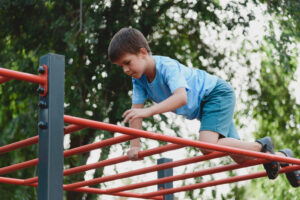
If a child frequently bumps into objects, appears clumsy, or struggles with playground activities, this may indicate:
- Weak Core Strength
- Immature Gross Motor Skills
- Difficulty Planning Movements
Tasks like climbing stairs, riding a cycle, or catching a ball may feel unusually tough.
5. Difficulty Following Routines or Instructions
Children who struggle with transitions or multi-step directions may benefit from OT. They may:
- Get overwhelmed by simple routines
- Take a long time to start tasks
- Forget steps frequently
- Show frustration during structured activities
6. Emotional Outbursts and Low Frustration Tolerance
Children facing sensory or motor challenges may become easily frustrated during tasks that other children handle comfortably. This may show up as:
- Anger or Crying During Homework
- Refusing to Try New Activities
- Meltdowns in Busy Environments
OT helps children develop coping strategies and better emotional control.
7. Delays in Daily Living Skills
Difficulties with everyday tasks such as:
- Brushing hair or teeth
- Eating independently
- Managing school materials
- Dressing on their own
These signs indicate the need for occupational therapy for kids.
When Should Parents Seek a Professional Evaluation?
Parents should consider an evaluation when:
- Difficulties persist for several months
- Delays impact school participation
- Routines become stressful for the child
- Teachers raise concerns
- Developmental milestones seem delayed
Early support prevents small challenges from becoming bigger obstacles.
How Occupational Therapy Supports Development
Pediatric OT uses engaging, play-based activities to strengthen developmental areas. Techniques may include:
- Fine motor strengthening games
- Sensory play activities
- Core muscle development
- ADL (Activities of Daily Living) training
- Coordination and balance exercises
- Handwriting improvement strategies
Therapy is personalised based on the child’s needs, challenges, and goals.
Supporting Your Child at Home

Parents can encourage development through simple activities like:
- Drawing, colouring, and puzzle play
- Playing with clay, beads, or blocks
- Structured routines for dressing and grooming
- Sensory play activities, like sand or water play
- Body movement games like hopping, crawling, or balancing
Consistency helps children improve faster.
Conclusion
Understanding the early signs that your child may need pediatric occupational therapy can help you support their development at the right time. Many children experience challenges with coordination, sensory responses, handwriting, or daily routines, and these difficulties often become easier to manage when identified early. Recognising patterns—rather than isolated behaviours—gives parents the clarity to explore whether professional guidance is needed.
Occupational therapy offers children practical tools to build independence, improve motor skills, and feel more confident in everyday tasks. With the right strategies, support, and environment, children can gradually overcome these challenges and participate more comfortably at home, at school, and in social settings.
If you feel your child is showing some of these signs and may benefit from pediatric occupational therapy, early evaluation can make a meaningful difference. Contact 7 Senses Pediatric Rehabilitation Center to discuss your concerns or schedule a developmental assessment.